Potted plants are also wonderful for greening up your patio. But as soon as temperatures drop, olive trees, roses, hydrangeas, citrus plants and even fig trees need special protection. Unlike in the bed, the roots in the pot cannot take refuge in the deeper layers of the soil and are therefore directly exposed to the cold. Here we will show you simple methods on how to bring your potted plants safely into the winter.
1. Why potted plants need protection in winter
Unlike planted trees, the roots are in the pot not protected by the ground. Frost can cause the soil in the pot to freeze completely – and this means pure stress for the plant. Furthermore, many potted plants come from warmer regions and are not at all suitable for our winters.
Some examples:
- Olive and citrus trees: Mediterranean origin, therefore requires anti-freeze protection.
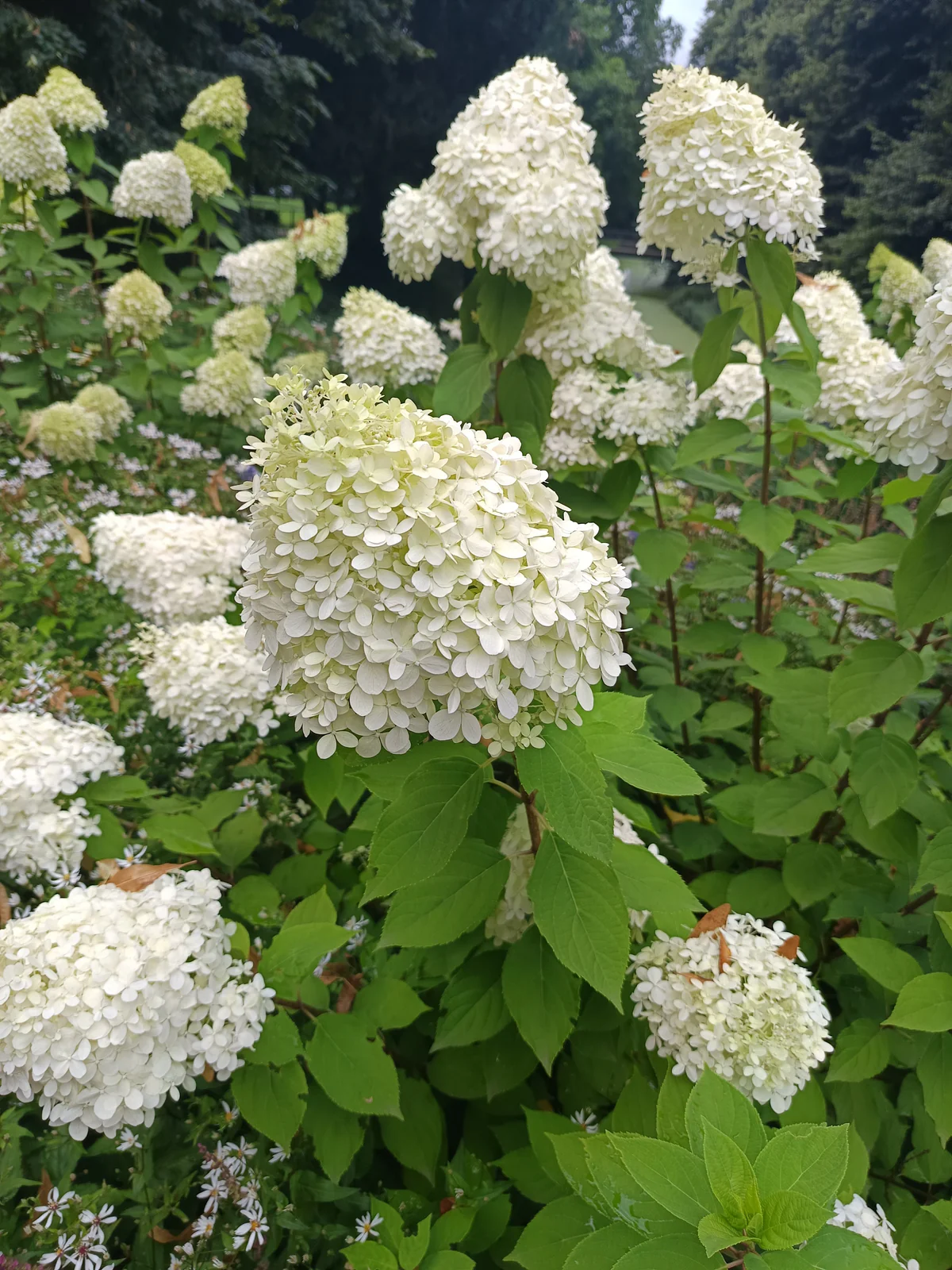
- Hydrangeas they are sensitive depending on the variety.
- Fig trees are becoming more and more popular, they are often hardy in beds, but are much more sensitive to frost in pots.
2. Overwintering potted plants outdoors: Here’s how it works
Not all plants need to be brought indoors right away. Even hardy species such as roses or some hydrangeas can be left outside with some protection.
- The right position: Place the pots as close to the wall of the house as possible, ideally to the south or west. It is a little warmer there, it is usually protected from the wind and the radiant heat of the wall also helps.
- Bottom insulation: Place the pots on wooden plates, polystyrene or feet so that the cold cannot penetrate directly from below; This also prevents water stagnation.
- Wrapping of pots: Wrap the pots with burlap, coconut mats or bubble wrap (outside only, not over the plant). This insulates and protects against frost.
- Protecting the Earth: A thick layer of leaf or bark mulch on the soil surface keeps the roots warm.
Tip: It is better to place several buckets next to each other so that they warm each other. 🙂 Also, don’t forget to water: on frost-free days you can water moderately. You should also regularly check for mold and pests and remove any wilted leaves immediately
3. Potted plants in winter quarters: the right environment
Many sensitive species need it bright and frost-free environments. A cool winter garden, a bright cellar or a garage with a window are suitable.
- Temperature: 5-10°C is ideal.
- Light: The brighter it is, the better. Rooms that are too dark quickly lead to the formation of parasites.
- Treatment: Water little, just enough so that the soil does not dry out completely. Fertilize again in spring.
Typical errors are:
- Environments that are too hot: the plants then germinate in winter and weaken.
- Completely dark corners: can lead to leaf loss and pest infestation.
4. Featured special plants
Here you will find specific advice for classic sensitive plants:
- Olive: It can tolerate temperatures slightly below freezing, but should definitely be insulated in the pot. It survives the winter best in a bright, cool room.
- Citrus plants (orange, lemon, kumquat): Very sensitive to frost, they therefore absolutely require bright winter accommodation. Be careful of mealybugs when temperatures are too hot.
- Roses in a bucket: They are sturdier, but the soil in the pot needs frost protection. Then pack the vases as described above and stack the roses. If necessary protect the crown with undergrowth.
- Hydrangeas: Differently resistant depending on the variety. Agricultural hydrangeas are more sensitive, panicle hydrangeas are generally more robust. It is best to keep it cool but protected from frost.
- Fig: Usually hardy in beds, but endangered in containers. Therefore: Wrap the pot tightly and keep it frost-free but cool during the winter.
Conclusion
Potted plants require a little more care in the winter, but if you know what to do, it’s manageable. The combination of is particularly important when it comes to the winter protection of potted plants isolated pot, suitable location and moderate care. Then olives, roses, hydrangeas or figs will survive the winter without any problems – and you can look forward to the next gardening season.
Happy gardening! 🙂
latest posts published
The best alternatives to cherry laurel and thuja: hedge plants for finches
Heat in the Garden – How to Protect Your Plants from Drought Stress – finch
Evergreen plants in the garden: structure and color
Which one suits your garden? — Tree Finch

Redefine your bedroom with Bernhardt luxury beds
Use climbing roses as privacy screens and green facades in the garden – chaffinch

Best Home Remedies for Your Garden: Chaffinch

Caracole – Elegance, refinement and inspiring design
This is how olives, roses, etc. they survive the finch