If you want your garden to be bird-friendly, a watering hole and birdhouse with food in the winter and a nest box in the spring are great ways to support bird life.
You can also specifically support birds with your plants by integrating a few bird-friendly shrubs into your garden design – or maybe even an entire hedge. Here we present 7 shrubs that are perfect for providing food and/or shelter for birds and will therefore attract birds to a garden for observation:
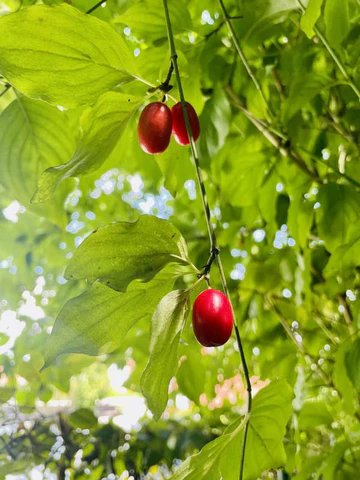
1. Cornelcer (Cornus Mass)
Dogwood is a native tree characterized by yellow flowers in early spring, which attract not only birds, but also bees and other insects. From the end of summer onwards it produces bright red fruits, edible even for us humans and very rich in vitamins. Birds such as thrushes and starlings love these fruits. Carnelian cherries prefer sunny or semi-shaded positions and thrive in permeable, humus-rich soil. Dogwood does well in both formal and natural gardens, as a solitary plant or part of a hedge.
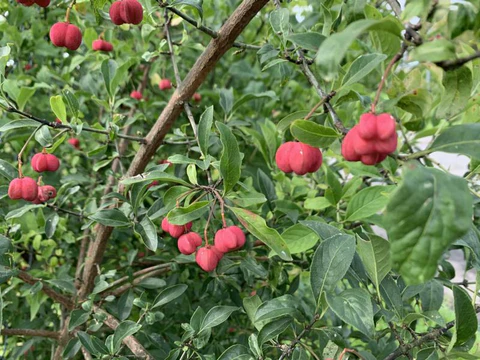
2. Pfaffenhütchen (Euonymus europaeus)
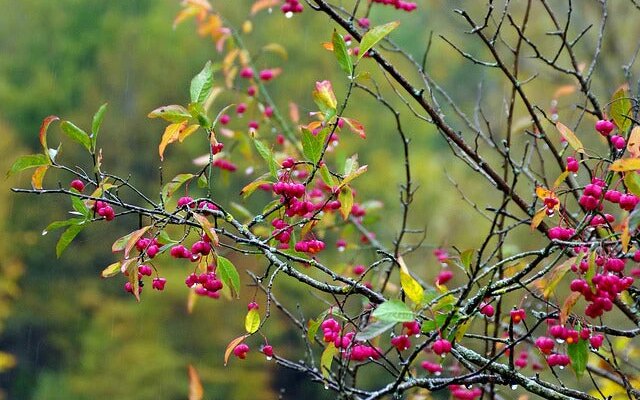
The Pfaffenhütchen, also known as the spindle bush, is a real gem in the garden and at the same time very valuable from an ecological point of view! It impresses with its bright pink to orange fruits from August and a brilliant autumn color and brings beautiful color accents to your garden. The eye-catching fruits are particularly popular with robins and chickadees. However the Pfafefnhütchen is poisonous to other animals and people. The plant itself is quite undemanding and grows in both full sun and partial shade. However, the Pfaffenhütchen prefers deep, slightly moist soil and can be easily integrated as part of a free-growing hedge that gives structure to the garden, but can also be planted well on its own.
3. Schlehe (Prunus spinosa)
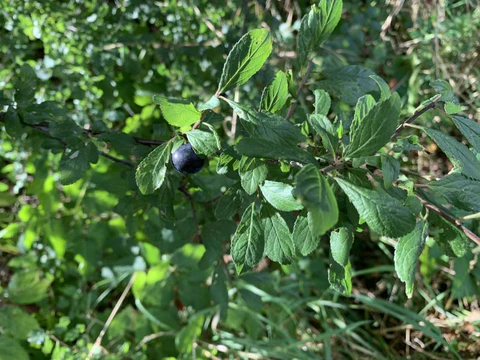
The blackthorn is a robust native shrub that offers birds safe protection with its thick, thorny branches. In spring it produces lush white flowers that attract bees and butterflies. In autumn, dark, tart berries form, which become particularly tasty for blackbirds and thrushes after the first frost. The blackthorn loves sunny positions and thrives even on rather dry soil. It is suitable for natural gardens and hedges, where as a wild tree it attracts small wild animals and gives the garden a natural look.
4. Schneeball (Viburnum opulus)
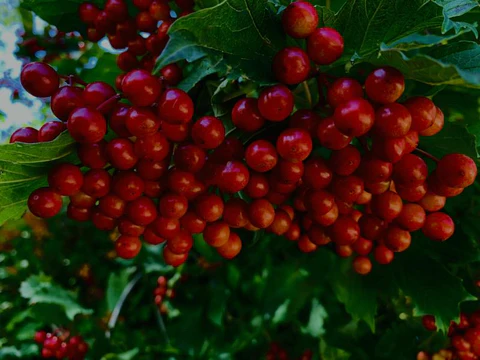
The common viburnum impresses with its large white flowers in spring and the bright red berries in autumn. The fruits are a valuable food source for birds such as blackbirds, although they are slightly poisonous to humans. Snowballs prefer sunny or partially shaded locations and like moist, nutrient-rich soil. Thanks to its striking autumn colors, viburnum is ideal not only for natural gardens, but also for formal plantings. Whether in a hedge or alone, the snowball creates colorful accents and is an eye-catcher in your garden.
5. Black elderberry (Sambucus nigra)
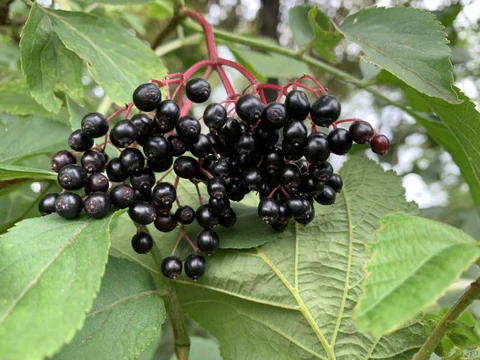
Black elderberry, especially the Haschberg variety, is a real all-rounder in the garden. Its flowers are a magnet for insects in spring and in autumn dark, juicy berries ripen, much appreciated by birds such as blackbirds and starlings. Elderberries are also delicious to humans when made into juice or jelly. The elderberry grows quickly and is undemanding, but it needs enough space. It grows best in nutrient-rich, slightly moist soil and does well in natural gardens or as a free-growing hedge.
6. Single hawthorn (Crataegus monogyna)
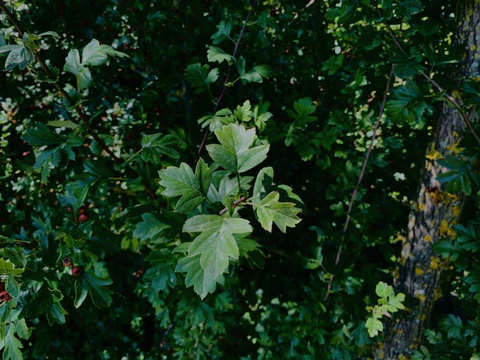
Invasive hawthorn is a traditional hedge and bird shelter shrub that offers excellent protection to birds and other small animals thanks to its thick, thorny branches. In spring, white flowers appear, which bees love to visit. In autumn, red fruits form which provide food for birds such as thrushes and starlings. Hawthorn loves sunny positions and copes well with difficult soil, making it an ideal choice for many types of gardens. Whether in hedge form or as a solitary plant, hawthorn adds structure and naturalness to your garden and is considered a traditional medicinal plant.
7. Privet (Ligustrum vulgare)
Privet is a versatile shrub particularly suitable for hedges. Its dense leaves and black berries provide birds with shelter and food during the winter months. It is also wintergreen because it often retains its leaves even in winter. Privet is extremely robust, tolerates cutting and adapts well to dry locations. The shrub has a reserved appearance and therefore fits into almost all garden styles and can be used in both formal and wild hedges.
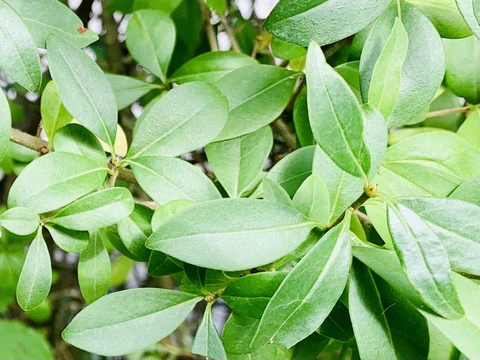
8. Hedgerows favorable to birds as a habitat
In addition to individual shrubs, bird-friendly hedges are a great way to provide a permanent home for birds in the garden. Mixed hedges made from different shrubs such as hornbeam, beech and wild roses (e.g. dog rose (Rosa canina)) offer birds optimal protection from predators and various food sources throughout the year. Hornbeam and beech often keep their leaves even in winter and thus offer protection from the cold wind, while wild roses provide food with their rose hips. Privet and barberry are also excellent hedge plants because they are robust, easy to care for and real magnets for birds.
These bird-friendly shrubs will bring life and color to your garden and support biodiversity! So go ahead, give your feathered friends a place in your garden and experience how they gratefully keep you company and you can watch them. 🙂
If you would like to create an individual hedge with these shrubs, please contact us for individual advice. Otherwise we have also put together a package of plants with which you can create a natural hedge loved by birds and insects at home!
latest posts published
The best alternatives to cherry laurel and thuja: hedge plants for finches
Heat in the Garden – How to Protect Your Plants from Drought Stress – finch
Evergreen plants in the garden: structure and color
Which one suits your garden? — Tree Finch

Redefine your bedroom with Bernhardt luxury beds
Use climbing roses as privacy screens and green facades in the garden – chaffinch
Best Home Remedies for Your Garden: Chaffinch

Caracole – Elegance, refinement and inspiring design
This is how olives, roses, etc. they survive the finch