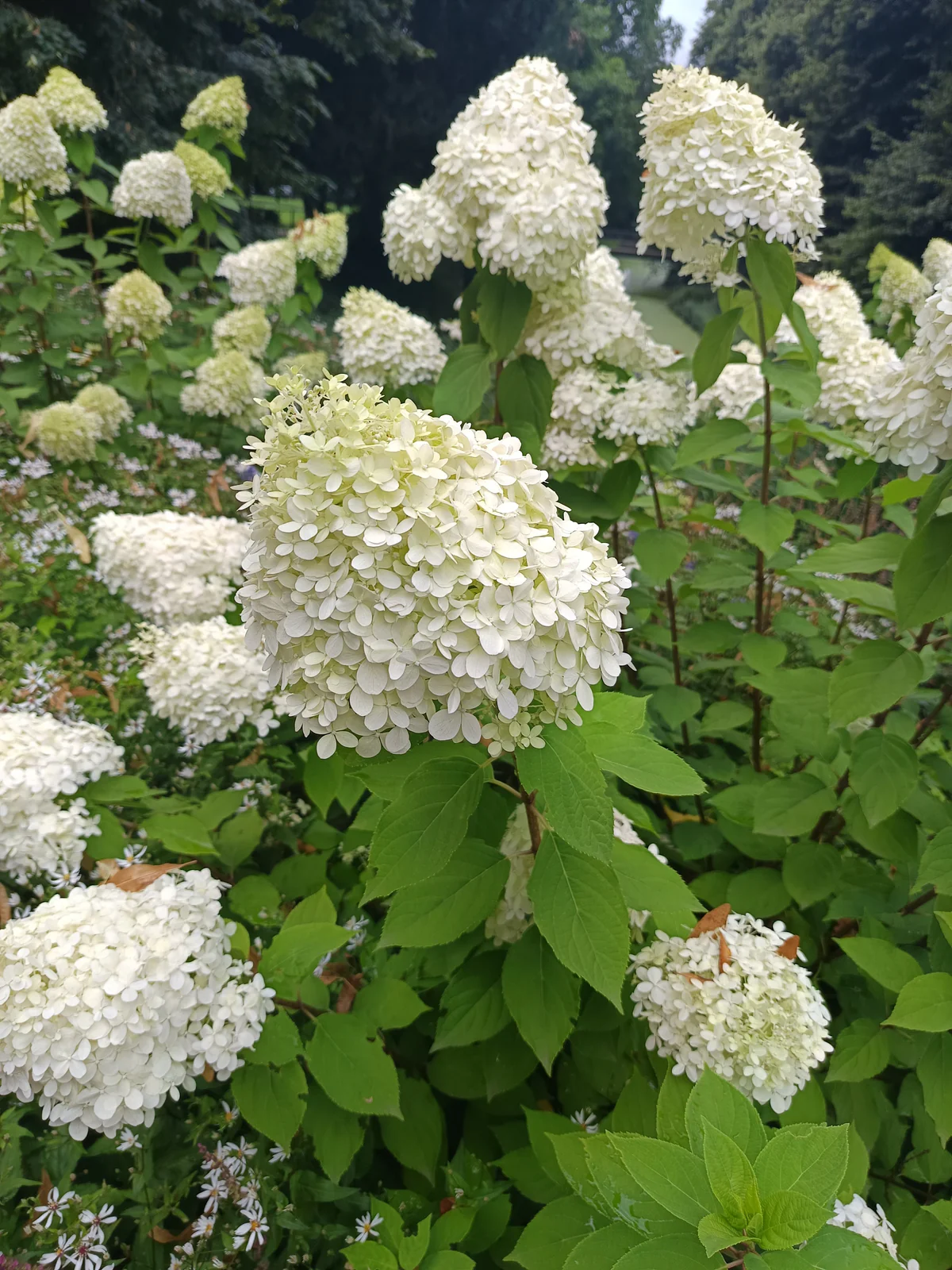

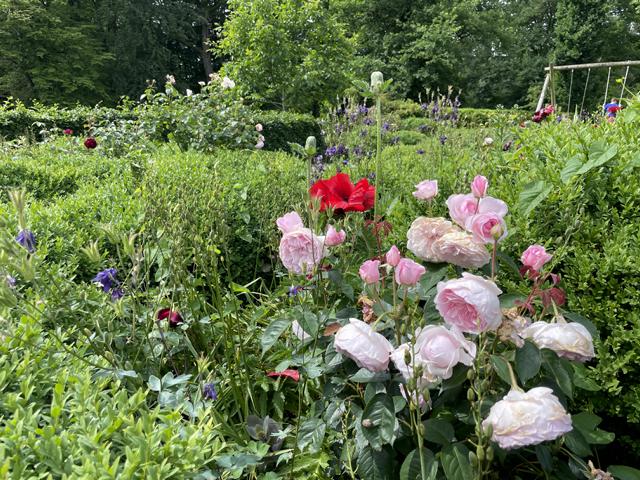
As impressive as roses are on their own, a bed of roses only comes to life with the right planting! When combined well, a flower display is created that not only visually impresses, but also protects the soil, prevents diseases and provides food for insects.
In this article we’ll show you how to combine roses with other plants sensibly, whether you’re just starting out or have already designed a few flower beds.
1. Rose combination: why it is so important to plant partners
Roses love light, air and a good supply of nutrients. These conditions can often be met better in mixed beds than in monoculture. Well-chosen planting partners also create structure, extend the flowering period in the flower bed and underline the beauty of the roses. Plus: they also help shade the soil, eliminate weeds and make life difficult for pests.
The goal is not to overload the rose garden, but rather to create a balanced composition with well-considered accents and harmonious color plays.
2. What plants pair well with roses? Location, growth habits and garden style
Roses thrive best in sunny, airy locations with well-drained, nutrient-rich soil. This applies to almost all types of roses, whether floribunda roses, shrub roses or climbing roses. If you choose plants with similar needs, you will save a lot of care.
The growth habit also plays an important role: a strong-growing shrub rose needs more space than a compact bed rose. It is important that companion plants do not crowd the roses, either at the base or in the crown. At the same time, you should make sure that the heights are staggered to a certain extent so that all plants are advantageous.
Depending on the style, be it a romantic cottage-style garden, a natural flowerbed of perennials or a modern herb garden, roses can be combined in very different ways.
3. The best perennials and companions for roses
Some plants have proven to be perfect partners for roses for decades. They complement each other not only visually, but also functionally:
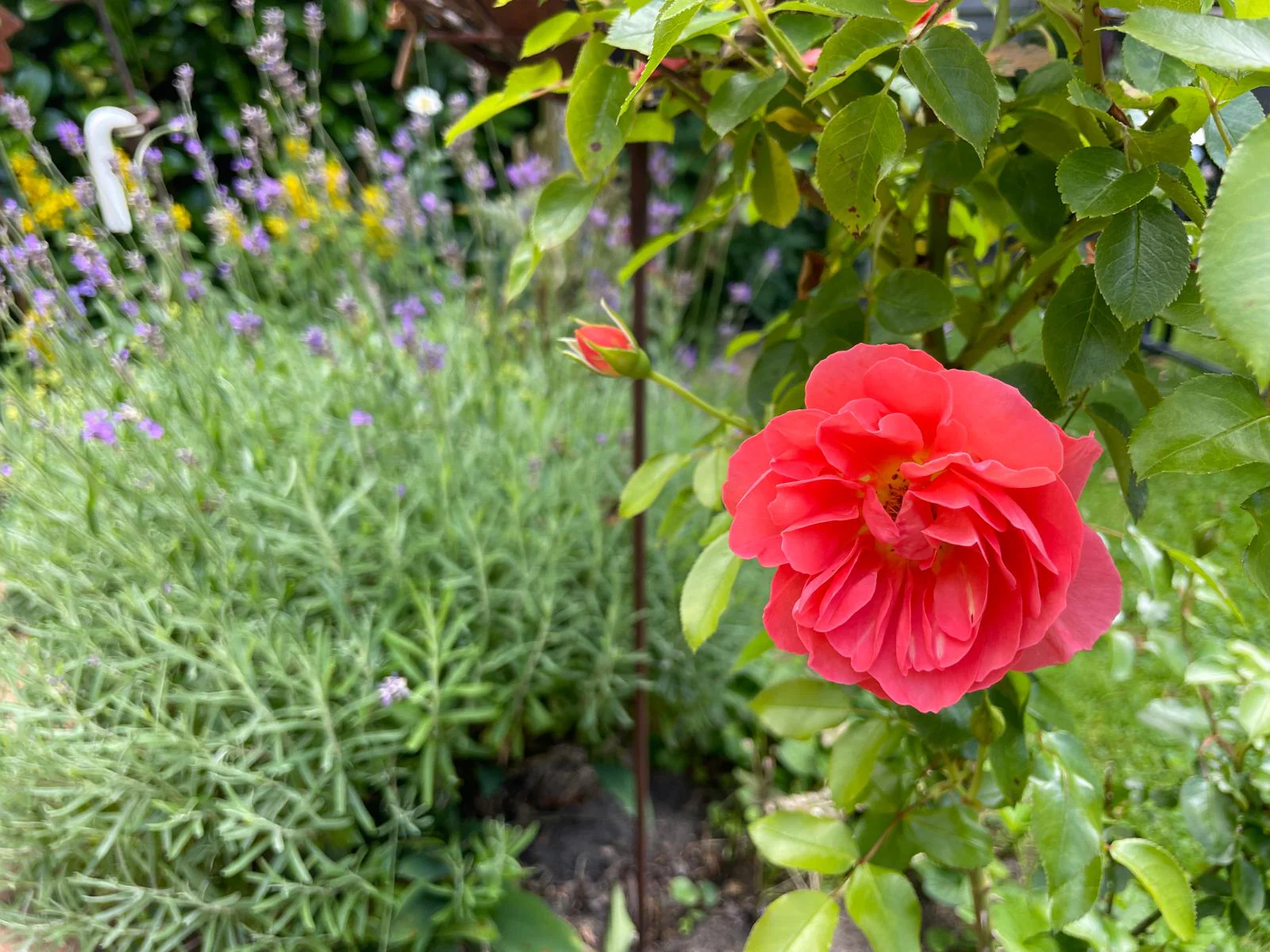
- Lavender as a companion to the rose: The classic par excellence. With its silver-gray foliage, fragrant flowers and hardiness, lavender offers a beautiful contrast to the lush flowers of roses, especially pink or white varieties. It also keeps aphids away and, like the rose, loves the sun.
- Katzenminze (Nepeta): The blue-purple flowers loosen up the flowerbed, together with the strong pink tones they have a calming effect and magically attract bees. It often blooms even longer than the rose itself.
- Frauenmantel (Alchemilla mollis): The clouds of yellow-green flowers and soft foliage form an attractive counterpoint to the austere shape of many rose petals. Ideal as a border or flat ground cover under shrub roses.
- Storchschnabel (Geranium): Particularly in the variety 'Johnsons Blue' or 'Apple Blossom', a long-lasting ground cover plant that blooms from June to autumn and enlivens even partially shaded corners of the rose garden.
- Vlüten-Salbei (Sorten forest sage): With its vertical purple-blue floral candles, it gives structure and lightness to the rose bed. The intense colors create beautiful contrasts with the delicate shades of pink, while the scent attracts bees and butterflies.
- Meadow iris (Iris sibirica, blue variety): The elegant flowers of the meadow iris give a touch of wild romanticism to the bed. Their narrow leaves bring movement to the planting scene, making them perfect as a tall accent among bushy rose varieties.
- Speedwell (Veronica in varieties): With its straight inflorescences in blue, purple or pink, Ehrenpreis brings clear lines to the rose planting. It is easy to care for, insect-friendly and harmonizes particularly well with historical or romantically flowering rose varieties.
These classic combinations are also ideal for beginners because they are easy to clean and reliable.
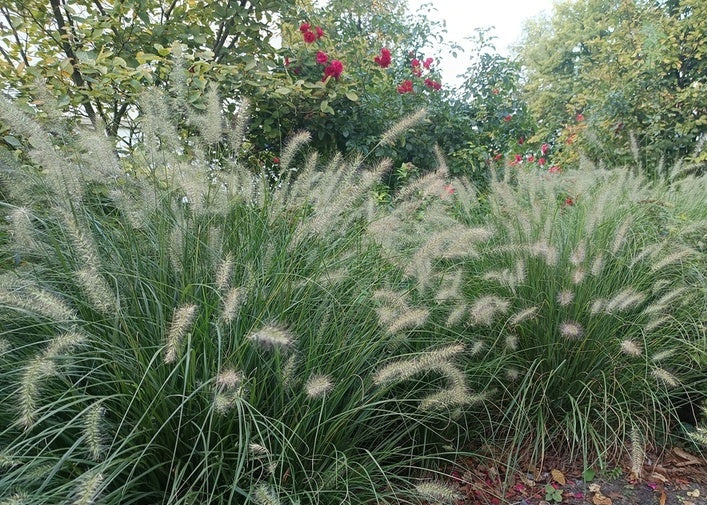
4. Combine ornamental grasses with roses: for modern gardens
Ornamental grasses add movement and structure to the bed and create an exciting contrast to the formal beauty of roses. They are a great addition, especially for more modern gardens or natural plantings.
Suitable are e.g. For example.:
5. Roses in the cottage garden: romantic ideas for borders with perennials
The cottage garden lives in apparent chaos: here a tuff of flowers, there a delicate perfume, in the middle a nostalgic accessory. For this look, combine roses with perennials such as:
- Tall bellflower
- Rittersporn
- Digital (digital)
- Stockrosen (Alcea)
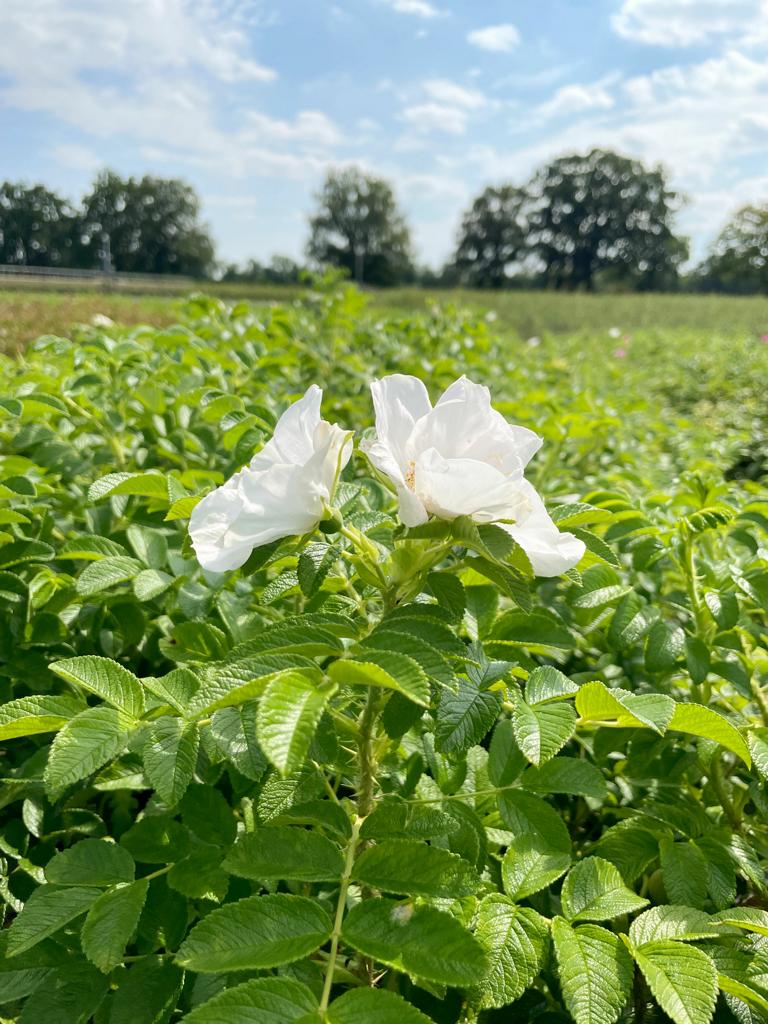
Especially beautiful: a rose arch with a fragrant climbing rose flanked by silver sage and ground cover lady’s mantle. For a touch of wild nature you can use wild roses Wrinkled rose insert.
6. Shrubs and hedges: Rose beds with structure and depth
Roses look especially impressive when placed against a calm background. Solitary hedges or shrubs create depth and a frame for flowers:
A shrub like this looks particularly charming Harlequin willow as stemin front of which there is a ground cover rose "The Fairy" or a floribunda rose like 'Leonardo da Vinci' may bloom. You can find more inspiration in our Hedge range.
7. Combine ground cover with roses – beautiful and easy-care solutions
If you’re short on time or want to plant under a larger bed, ground cover plants are a good choice. It is important that they remain flat and do not compete with the roses.
- Vinca minor (small periwinkle): ideal for partially shaded locations
- Thyme or cushion phlox: for dry and sunny terrain
- Low Cranesbill Varieties: flowery and robust
Flat-planted flowerbeds of a variety such as the ground cover rose 'Bienenweide' look particularly harmonious if you choose the ground cover all around in the same color scheme. You can also add ornamental grasses to increase contrast.
8. Color contrasts & tone on tone: impactful rose beds
The choice of colors for roses is huge: from delicate cream to apricot to deep purple. By skillfully combining them with suitable perennials, you can enhance this effect or consciously create contrasts.
Ton per ton:
- Pink roses with lavender, purple catnip and silver leaves (e.g. Wollziest)
High contrast:
Classically elegant:
9. Typical errors when combining: how to avoid them
Especially for beginners, problems often arise that can be easily avoided:
- Wrong location for partner plants: If the roses are in the sun, but the lavender next to them dies in the shade, things won’t last long.
- Growing Perennials: Some perennials, e.g. B. some species of geranium can literally cover the weakest roses.
- Unsuitable growing heights: Short roses easily disappear behind too tall partners; it is better to make an elevation plan first.
- Farbchaos: Less is more, choose three harmonious colors rather than a wild mix that looks restless.
Conclusion: make rose plantings lively and harmonious
You see, roses can be combined in many different ways, regardless of whether you have chosen a modern garden or a romantic, playful style. Want to get started right away? Then browse ours Rosensor and discover suitable partners in our categories Ornamental grasses and hedges. Please contact us if you would like assistance with your selection!
You can find more tips for roses in the garden here:
Planting roses in pots: here’s how it works
Planting roses correctly: step by step instructions
Rose care becomes simple: everything about pruning and fertilizing
Using climbing roses in the garden: tips and ideas
latest posts published
The best alternatives to cherry laurel and thuja: hedge plants for finches
Heat in the Garden – How to Protect Your Plants from Drought Stress – finch
Evergreen plants in the garden: structure and color
Which one suits your garden? — Tree Finch

Redefine your bedroom with Bernhardt luxury beds
Use climbing roses as privacy screens and green facades in the garden – chaffinch

Best Home Remedies for Your Garden: Chaffinch

Caracole – Elegance, refinement and inspiring design
This is how olives, roses, etc. they survive the finch