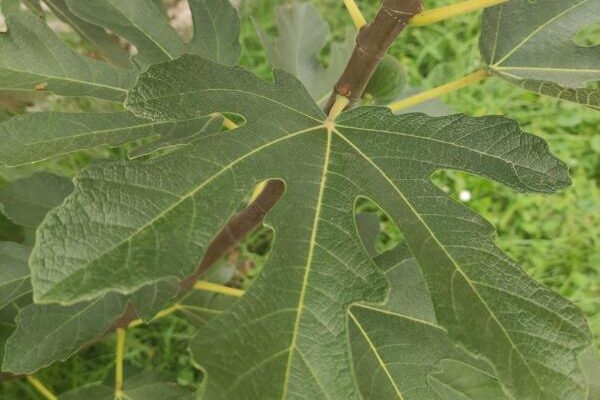
More and more garden owners are discovering the fig tree themselves. No wonder: With its large decorative leaves, Mediterranean flair and delicious fruits, the fig (Ficus carica) brings a holiday atmosphere to the home garden.
But is it really possible to plant a fig tree in Germany? What conditions does it need and what should you pay attention to when it comes to care, location and wintering? Here you will find all the answers to the topic Planting and caring for a fig tree.
1. Can you plant a fig tree in Germany?
Yes, it works and it’s even better than many people think! Fig trees are sturdier than their exotic appearance might suggest. With the right variety (such as the hardy fig 'Brown Turkey'), a suitable location and some winter protection, it is also possible to harvest figs successfully in many regions of Germany.
Figs are native to the Mediterranean region, but today there are varieties that are well suited to our climate and resist temperatures down to -15 degrees. This works especially well in protected places such as on house walls, in backyards or in mild wine regions. And even if the fig is hit by frost, it usually sprouts again without any problems.
2. The right location for your fig tree
Figs love the sun: the more, the better. You need it Bright, warm and wind-protected locationideally on a south-facing wall of the house or in a sheltered corner of the garden. The soil must be permeable, thin and not too wet. Waterlogging is one of the few things fig trees cannot tolerate.
Location tips in brief:
- Full sun to maximum partial shade
- Protected from the wind, e.g. B. in front of the wall of a house
- Permeable and calcareous soil
- No stagnation
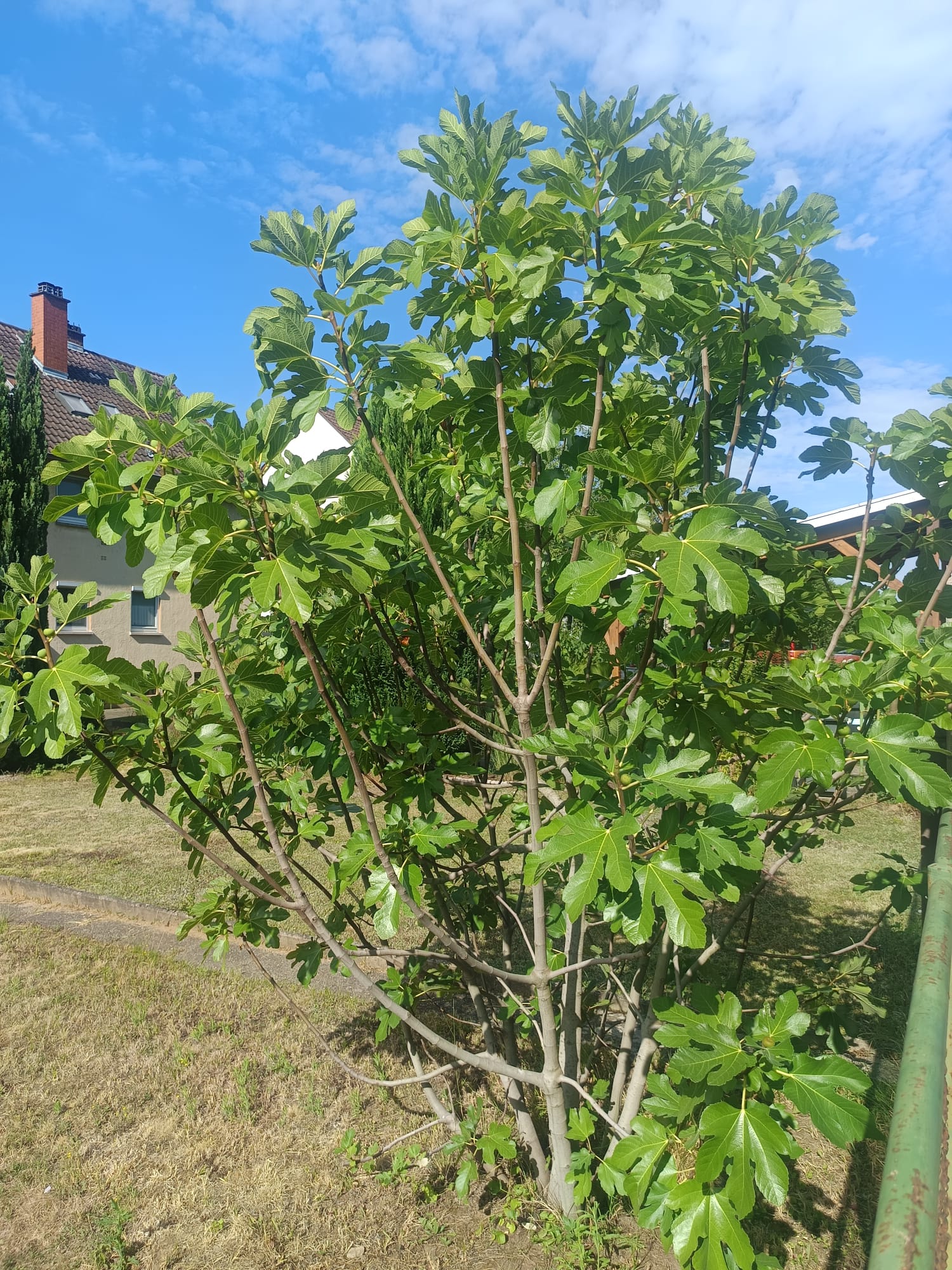
Figs can reach impressive sizes in the bed. Depending on location and cut, they grow up to 3-5 meters tall and wide. They generally remain more compact in the vase. However, they can also be cut in an emergency.
3. Plant a fig tree in the garden: here’s how it works
If you want to plant the fig directly in the bed, you should do so spring Do this as soon as severe frosts are no longer expected. This gives it enough time to root well until winter. Dig a generous planting hole and amend heavy soils with sand or gravel to ensure adequate drainage.
Suggestion: In warmer regions it may make sense to pair the fig with one Root barrier plant. Figs tend to develop strong roots over time.
4.Fig in a pot: Mediterranean atmosphere on the balcony and terrace
If you don’t have a suitable place in the bed or live in a region particularly prone to frost, you can use the fig easy to keep in the bucket. You should pay attention to the following:
- Large pot with a volume of at least 30 litres
- Good drainage (expanded clay, lava sand)
- Permeable and thin substrate with sand content
- Annual repotting or change of substrate, top fertilization if necessary
In summer it is best to place the fig tree in full sun on the terrace or balcony. In winter it should frost-free but fresh Overwinter (e.g. in the garage, conservatory or corridor at approx. 5–8 °C).
5. Tips for caring for healthy figs
It is quite easy to care for fig trees if the basic conditions are right. You should pay attention to this:
- Deposit: Regularly, but in moderation. The floor must not be permanently wet. It is best to water thoroughly and then let it dry.
- Fertilize: From spring to late summer every 2-3 weeks with liquid organic fertilizer or compost.
- Cut: Figs usually grow on young wood. In spring, weak or too dense shoots can be eliminated. Moderate pruning is possible without problems, also to keep the plant more compact.
- Winter protection: For young plants, be sure to cover the root area with leaves or mulch. The trunk can also be wrapped with jute or fleece.
6.How long does it take for a fig tree to bear fruit?
Our 'Brown Turkey' fig is self-fertile and often produces its first fruit in the second or third year, or even earlier if well cared for. With this variety a second harvest is possible at the end of summer in mild years. Furthermore: the fruits can remain in the winter and ripen the following year if they do not freeze.
7. Fig harvest: when and how?
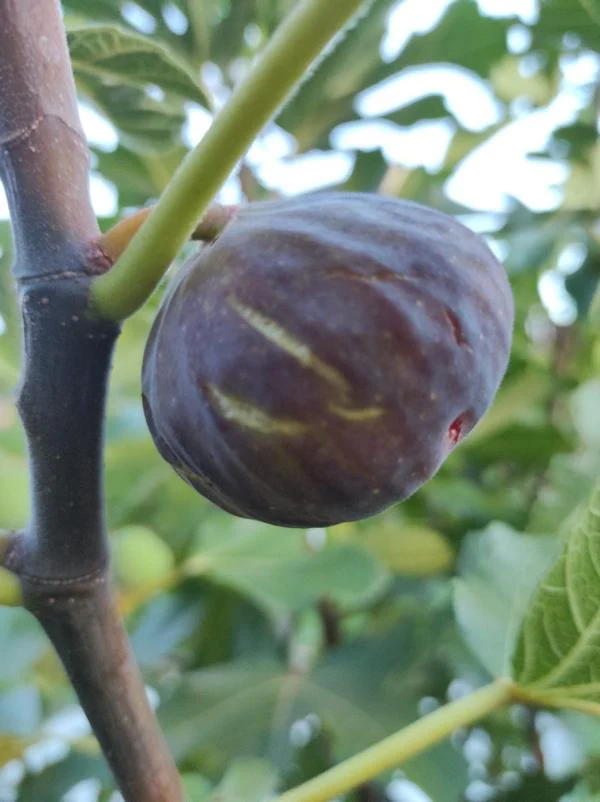
Figs usually ripen in Germany From August to Octoberdepending on the variety and time. Ripe figs can be recognized because they become soft and easily detach from the branch. They taste best straight from the tree, but can also be made into jam, chutney or dried as a snack.
8. Are there any problems with the fig tree?
Overall, figs are quite sturdy. However, in cool summers or when there is too much humidity, the fruits may not ripen fully or drop prematurely. A location with too little sun can also lead to poor fruit set. The solution: a sunny spot, well-drained soil and a little patience.
Bottom line: Plant a fig tree and enjoy the southern flair
So if you want to bring a Mediterranean touch to your garden or balcony, you are in the right place with the fig tree. It is not only decorative, but also surprisingly robust and extremely easy to care for and can be planted both in a flowerbed and in a pot!
If you feel like planting a fig tree yourself: in our shop you can find the robust and delicious turkey brown fig.
Happy gardening! 🙂
latest posts published
The best alternatives to cherry laurel and thuja: hedge plants for finches

Heat in the Garden – How to Protect Your Plants from Drought Stress – finch
Evergreen plants in the garden: structure and color
Which one suits your garden? — Tree Finch

Redefine your bedroom with Bernhardt luxury beds
Use climbing roses as privacy screens and green facades in the garden – chaffinch

Best Home Remedies for Your Garden: Chaffinch

Caracole – Elegance, refinement and inspiring design
This is how olives, roses, etc. they survive the finch