Do you want to strengthen your garden plants in a natural and sustainable way, without chemicals or plastic packaging? Then you are in the right place. In this article we will show you how to prepare effective fertilizers yourself using simple home remedies. Whether heavy feeders in the vegetable garden, flowering shrubs or more classic ones for your roses, these tips are not only good for your plants, but also for the environment and your wallet.
And best of all: you don’t need complicated equipment or dangerous chemical sets. You probably already have everything you need at home.
Why fertilize – and when?
Plants need nutrients, just like we humans. Energy-intensive plants, such as tomatoes, pumpkins, squash, and many flowering shrubs, use a lot of energy over time. Homemade fertilizer provides them with important minerals such as nitrogen, potassium and phosphorus, without the need for artificial fertilizers. If you’re wondering which mineral is important for what, be sure to take a look here: Everything You Need to Know About Fertilizing and the Most Important Nutrients in the Garden
Tip: Always fertilize in the main growing season (spring to summer) – many plants should rest in autumn. Here you can read in detail which plants could still benefit from fertilizing in autumn: Fertilizing the garden in autumn: useful or useless?
1. Classic in the garden: compost tea as liquid fertilizer
This is what you need:
- 1 handful of mature, sifted compost
- 1 old cotton cloth, nylon stocking or fine strainer
- 1 clean bucket (10 litres)
- 10 liters of warm, stale water (not fresh tap water)
Here’s how:
- Add compost to the fabric and tie it in a "bag".
- Hang the bag in the bucket of water or place it directly in.
- Let the mixture rest in a warm, shaded place for 24-48 hours. Mix 1-2 times a day.
- Remove the cloth or bag. You can use the liquid immediately.
Application:
- Water directly into the root zone, e.g. B. with the watering can
- Approximately 1-2 liters per plant or 5 liters per m²
Suitable for: Vegetables, berries, perennials, young plants
Not suitable for: Houseplants (too rich in nutrients)
Storage: Compost tea must be used within 24 hours, otherwise it will tip over.
2. Banana peels – calcium potassium as a fertilizer for flowering plants
Less known, but super effective: banana peels are rich in potassium, especially appreciated by flowering plants.
How to use them:
- Fresh in the planting hole: Cut ½–1 peel into small pieces and insert into the planting hole (e.g. for tomatoes, roses, berries).
- Dried and ground: Air-dried peels, chopped or ground, lightly incorporate about 1-2 tablespoons per plant.
-
Liquid fertilizer:
- Place 2-3 organic banana peels in 1 liter of water
- Leave to macerate at room temperature for 2 days
- Then filter and pour undiluted
- approx. 100-200 ml for Pflanze
Suitable for: Roses, tomatoes, flowering bushes
Storage: Use liquid fertilizer immediately, do not store it.
3. Coffee grounds – for nitrogen and soil life
Coffee grounds are produced almost every day and are an excellent fertilizer, especially for plants that like slightly acidic soil.
How to use it correctly:
- After brewing, let the coffee grounds dry well (on a plate or similar).
- Sprinkle small amounts directly onto the soil and incorporate or mix with compost.
- 1-2 tablespoons per plant every 2-3 weeks are sufficient.
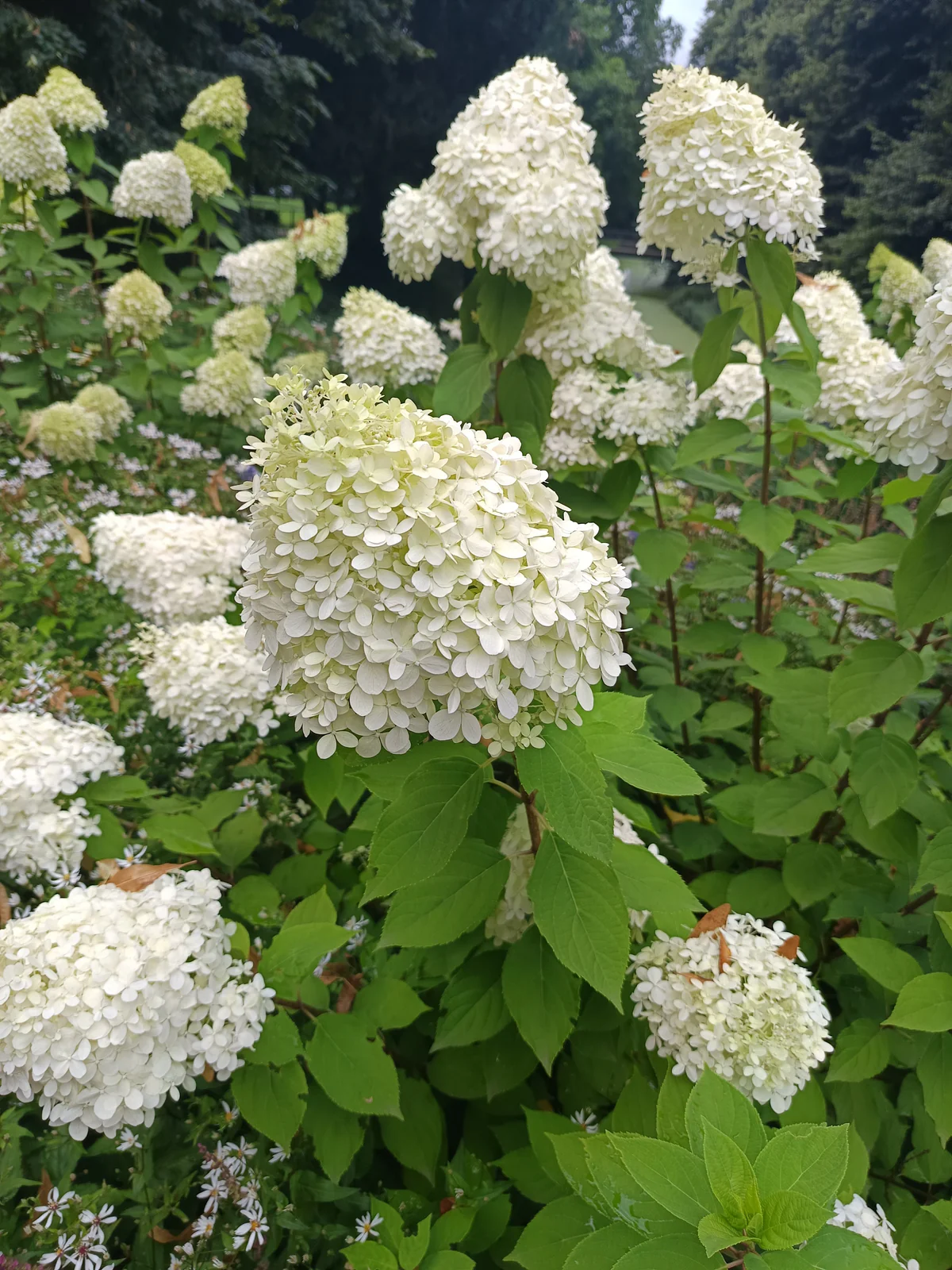
Suitable for: Hydrangeas, berries, rhododendrons, tomatoes
Not suitable for: Plants that love alkaline soil (e.g. lavender, rosemary)
Storage: Dried coffee grounds will keep for several weeks in an airy container.
4. Potato and vegetable water – liquid fertilizer from the kitchen
Empty pot but there is water left? The unsalted cooking water of potatoes, vegetables or eggs contains valuable minerals.
How to use it:
- Leave to cool
- Use directly for watering, 250-500ml per plant, directly to the root – ideal for well-fed or young plants
Perfect for: Vegetable garden, aromatic herbs, balcony plants
Storage: Use within 1 day
Danger: Do not use salt water, it damages the plants.
5. Nettle manure: the natural bomb
A true classic and absolute growth stimulator: nettle manure. It seems unpleasant at first, it even has that smell (unfortunately) – but it works wonders.
You need:
- 1 kg fresh nettles (young, seedless)
- 10 liters of water
- Bucket with lid or grate as cover
Production:
- Cut the nettles into small pieces and place them in a bucket with water.
- Cover loosely (not tightly) and stir daily.
- After 1-2 weeks the manure is ready (when it no longer foams).
- Before use in proportion Dilute 1:10 (e.g. 1 liter of manure + 10 liters of water).
Application:
- 1-2 liters diluted per plant
- Once a week during the main growing season
Suitable for: Tomatoes, courgettes, roses, perennials
Not suitable for: Beans, peas – they do not like excessive fertilization
Storage: Fermentation residues can be composted. Manure lasts about 2 weeks in a closed container.
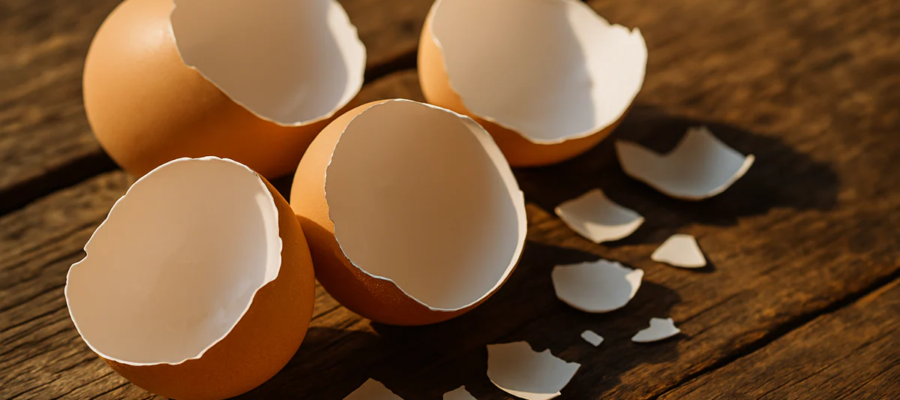
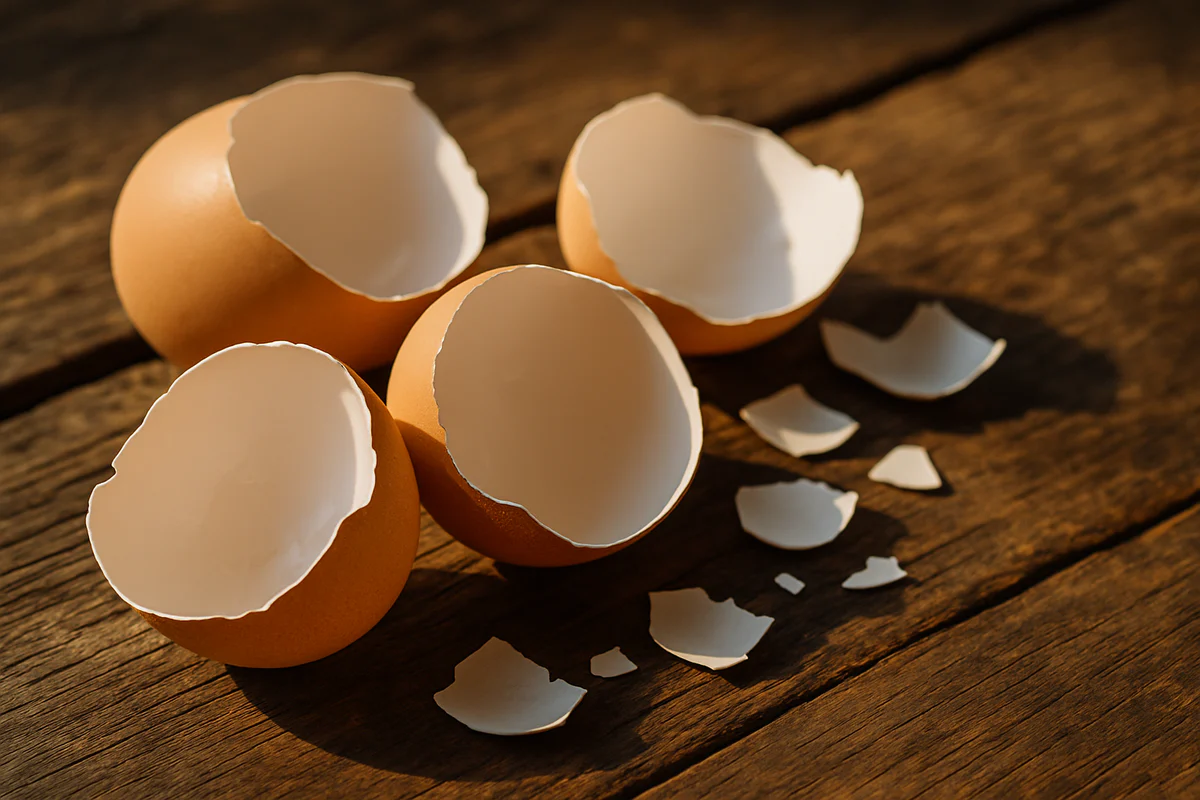
6. Egg shells – natural fertilizer for strong roots
Eggshells consist almost entirely of lime and therefore strengthen the soil, especially for lime-loving plants.
How to use them:
- Leave to dry completely.
- Crush or grind in a mortar.
- Work about 1-2 teaspoons per plant into the soil.
Suitable for: Roses, lavender, onion flowers
Not suitable for: Plants with high acid requirements (e.g. hydrangeas)
Storage: Store crushed shells in a dry place in screw-top jars or cardboard boxes.
7. Aquarium water – the underrated tip for natural fertilizer
If you have an aquarium – perfect: the water during partial water changes contains valuable nitrogen (e.g. from fish excrement) and microorganisms and is therefore also suitable as a natural fertilizer for your plants.
Application:
- When doing a partial water change, collect the water and use it directly in the garden
- Undiluted water – approx. 1-2 liters per plant
Suitable for: Vegetable garden, heavy feeder
Not suitable for: Internal rooms (possible formation of odors)
Storage: Use fresh if possible, after 1 day at the latest.
8. Fresh Yeast: Growth stimulator for heavy eaters
Fresh yeast from the kitchen can be used as a natural soil activator. It contains vitamins, enzymes and minerals that stimulate soil life and promote the growth of heavy foods such as tomatoes, peppers or squash.
Here’s how:
- Dissolve a cube of fresh yeast (42 g) in approximately 5-10 liters of warm water.
- Mix well until the yeast has completely dissolved.
- Let the mixture rest at room temperature for 1-2 hours.
- You can then use it directly.
Application:
- About 0.5-1 liter per plant water directly at the roots.
- Not more often than 1 time a month apply, otherwise soil life may become unbalanced.
- It is best to water in the morning or evening, not at midday.
Suitable for: Tomatoes, cucumbers, peppers, courgettes, pumpkin
Not suitable for: Houseplants or plants that feed little
Storage: The yeast and water mixture should be used immediatelyas it quickly decomposes and begins to ferment.
Suggestion: Yeast is not a classic fertilizer, but a growth promoter. Ideal as a supplement to other fertilization methods.
What you shouldn’t use:
- Salt water
- Leftover spices, spicy food leftovers
- Fatty kitchen waste (butter, oil)
- Raw meat, sausage – attracts animals and stinks
- Citrus fruits in large quantities – often processed and too acidic
These things do not belong in homemade fertilizers: they can pollute the soil or harm the plants.
9. How to find the right fertilizer for your plants
- Vegetable garden: nettle manure, potato water, compost tea
- Flowering shrubs and roses: banana peels, coffee grounds, eggshells
- Hedges and perennials: compost tea, nettle manure
- Container plants: diluted banana peel solution or compost water
- Berries and fruits: coffee grounds, aquarium water, manure (sparingly)
Conclusion: fertilizing naturally is easier than you think
You don’t need expensive special fertilizers to make your garden grow and flourish. Often a glance into the kitchen is enough. With these home remedies, a little know-how and the right timing, you can care for your plants in a wonderfully sustainable, effective and chemical-free way.
Happy gardening! 🙂
latest posts published
The best alternatives to cherry laurel and thuja: hedge plants for finches
Heat in the Garden – How to Protect Your Plants from Drought Stress – finch
Evergreen plants in the garden: structure and color
Which one suits your garden? — Tree Finch

Redefine your bedroom with Bernhardt luxury beds
Use climbing roses as privacy screens and green facades in the garden – chaffinch
Best Home Remedies for Your Garden: Chaffinch

Caracole – Elegance, refinement and inspiring design
This is how olives, roses, etc. they survive the finch