Winter can be challenging for birds, hedgehogs and insects, but with a few targeted measures you can easily make your garden pet-friendly in winter!
You may already pay attention to some bird-friendly plants in your garden design, but there are also simple measures that can make your garden bird-friendly, hedgehog-friendly and even insect-friendly in winter!
1. More than cute: Shrubs that provide food and shelter
One of the easiest ways to support animals in your garden is to choose the right plants. Some bird-friendly shrubs not only look great, but are also lifesavers, especially in winter, providing both food and shelter. Here is a small selection:
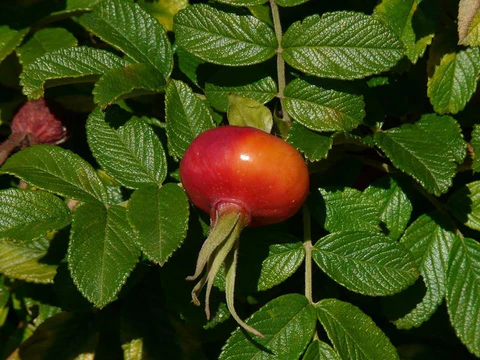
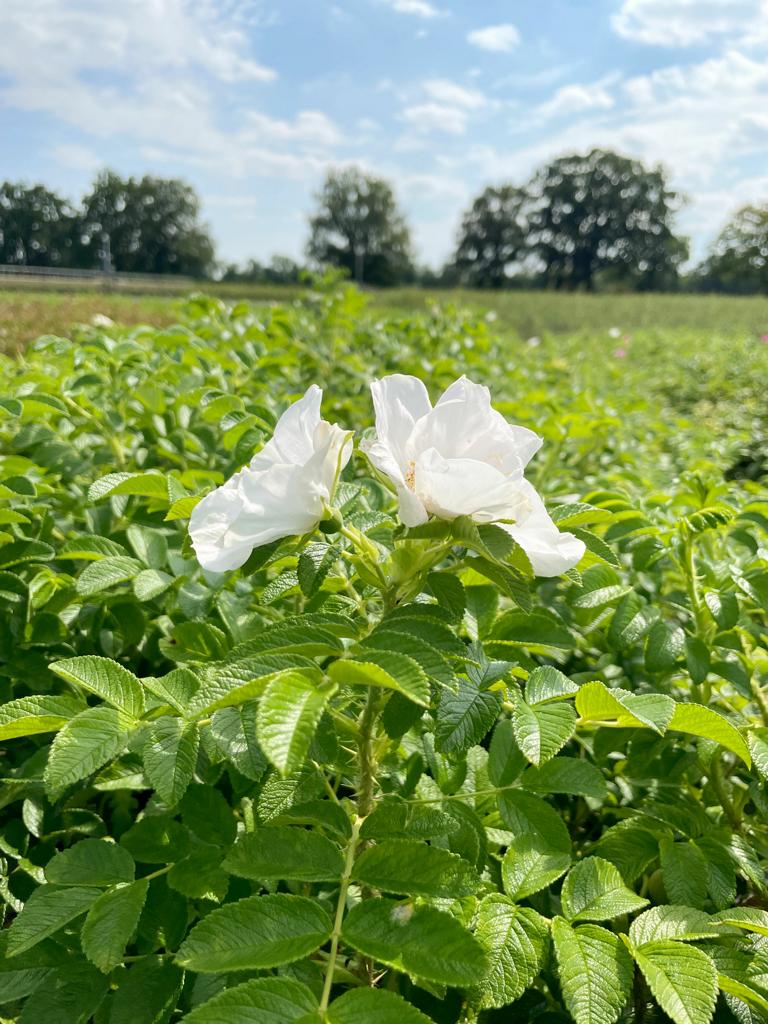
Wild roses (Rosa rugosa and other varieties)
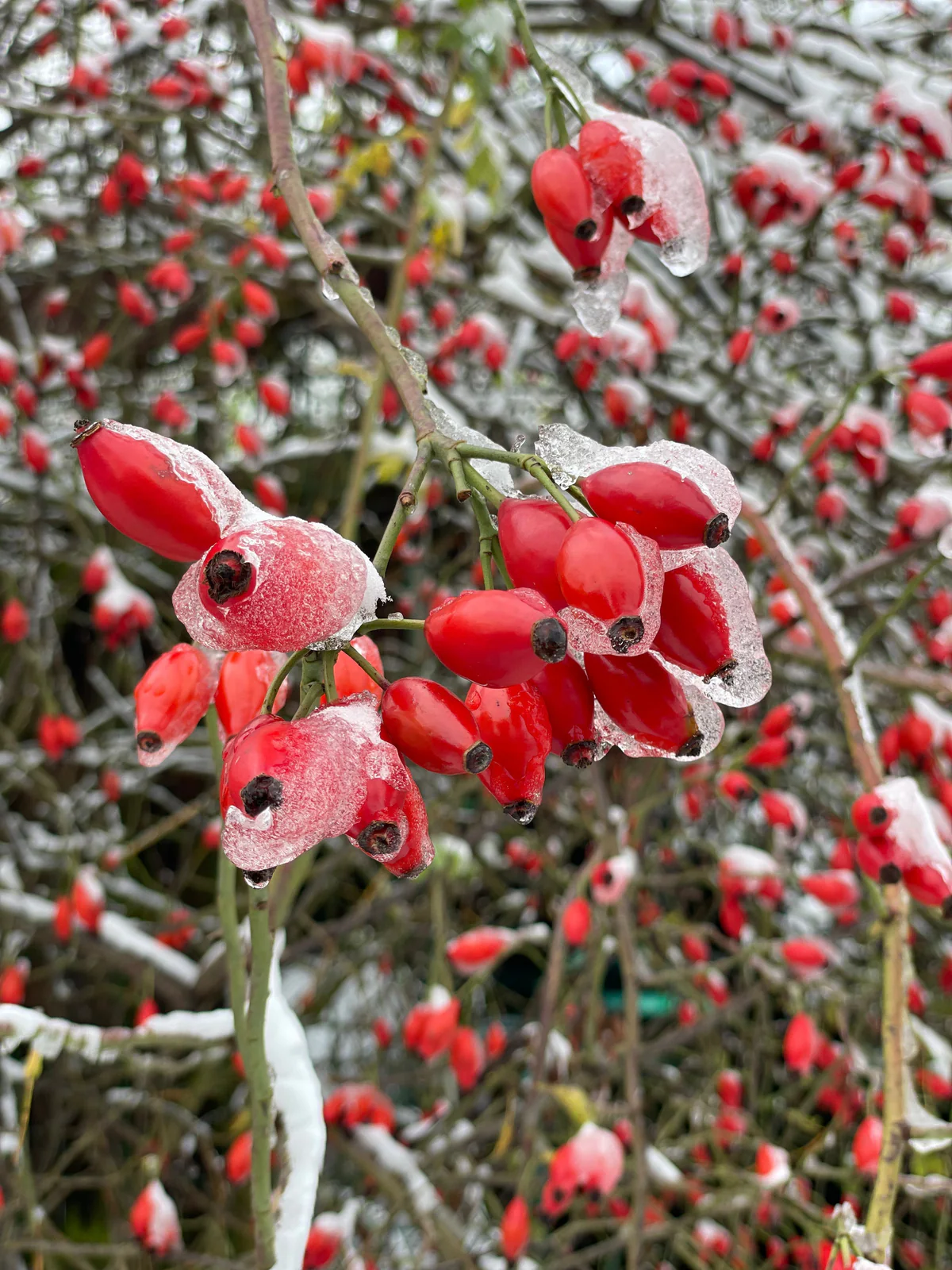
Wild roses (e.g. apple rose or dog rose) are classics in pet-friendly gardens! Their bright red rose hips are not only beautiful, but also a real source of energy for blackbirds, thrushes and robins. Whether as a solitary plant or as a hedge, these robust plants fit into almost any garden and are very popular with bees even in summer.
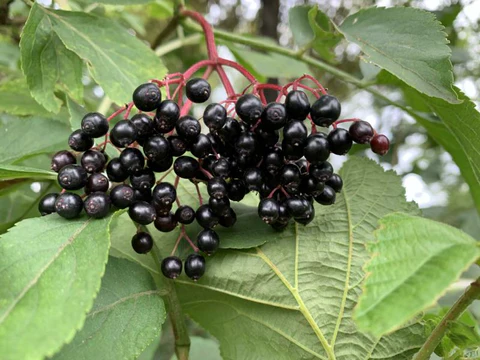
Black elderberry (Sambucus nigra)
The black elderberry is an all-rounder: its berries are much appreciated by birds such as starlings and blackbirds, while the dense foliage offers ideal shelter. You can also easily integrate elderberry into hedges or leave it standing as a large, striking bush.
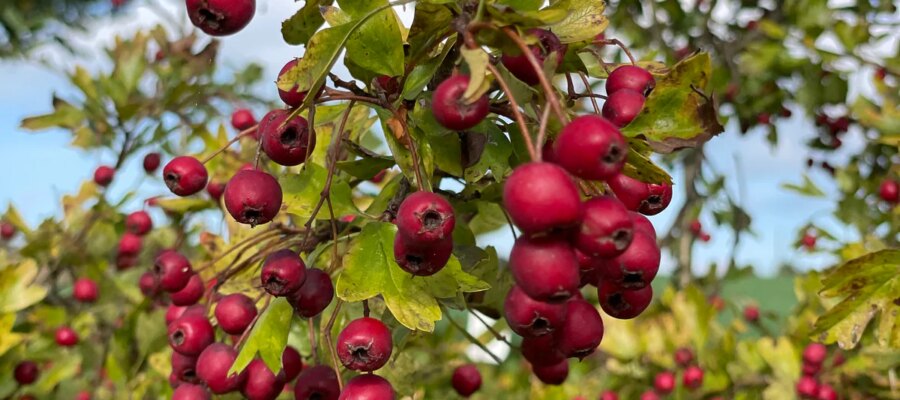
Single hawthorn (Crataegus monogyna)
Hawthorn scores in two ways: The bright red berries are a feast for birds and the thick branches offer protection from the cold and predators. Particularly suitable for natural hedges, which also guarantee an excellent windbreak.
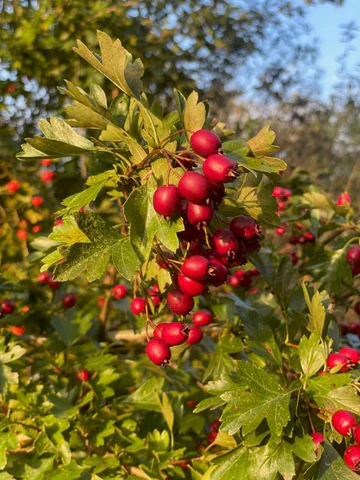
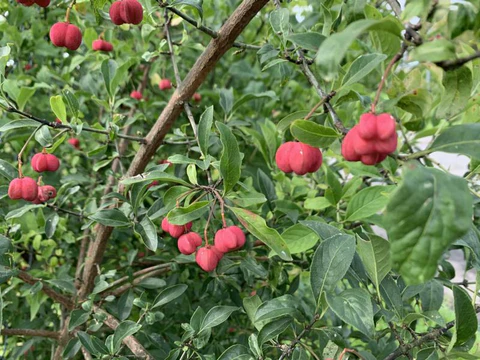
Pfaffenhütchen (Euonymus europaeus)
With its pink-orange fruits, the Pfaffenhütchen not only attracts attention, but is also an important food source. Robins and thrushes especially benefit from this. It looks very good in colored hedges or as a small specimen shrub.
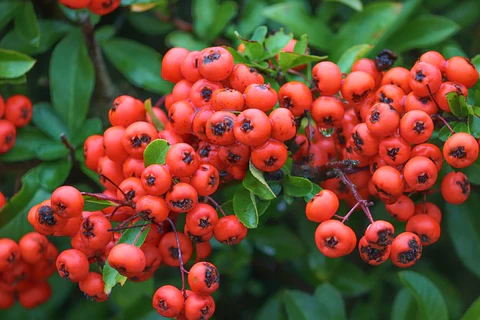
Feuerdorn (Pyracantha)
This evergreen shrub is a delight for birds: its bright berries are a popular food source and its thorns provide protection from cats and other predators. Firethorn is perfect as a hedge for bird protection or for adding greenery to walls.
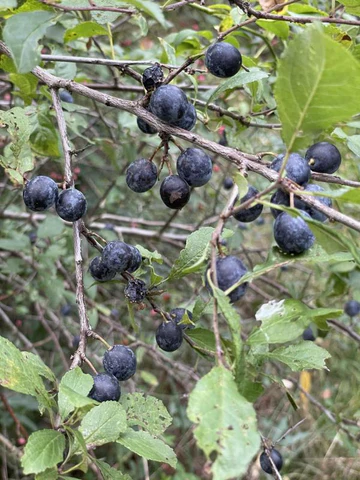
Schlehe (Prunus spinosa)
Blackthorn is a versatile shrub that provides abundant food for birds in winter, especially since the small dark blue fruits remain on the bush for a long time. They are particularly popular with thrushes, blackbirds and starlings, while the thick branches offer safe protection. As a hedge plant it is ideal for natural gardens and also delights in spring with white flowers that also attract insects.
More information on bird-friendly shrubs can be found here!
2. Create a shelter for animals in winter: so birds, hedgehogs and insects feel comfortable
In addition to food, many animals also need safe places to shelter during the winter. Birds and hedgehogs in particular seek shelter to protect themselves from the cold and predators.
Birds
Birdhouses: A specially designed birdhouse or nest for the winter offers birds such as tits and robins a warm and safe place. Make sure that the nest can be used not only in summer but also in winter and that it is adequately insulated.
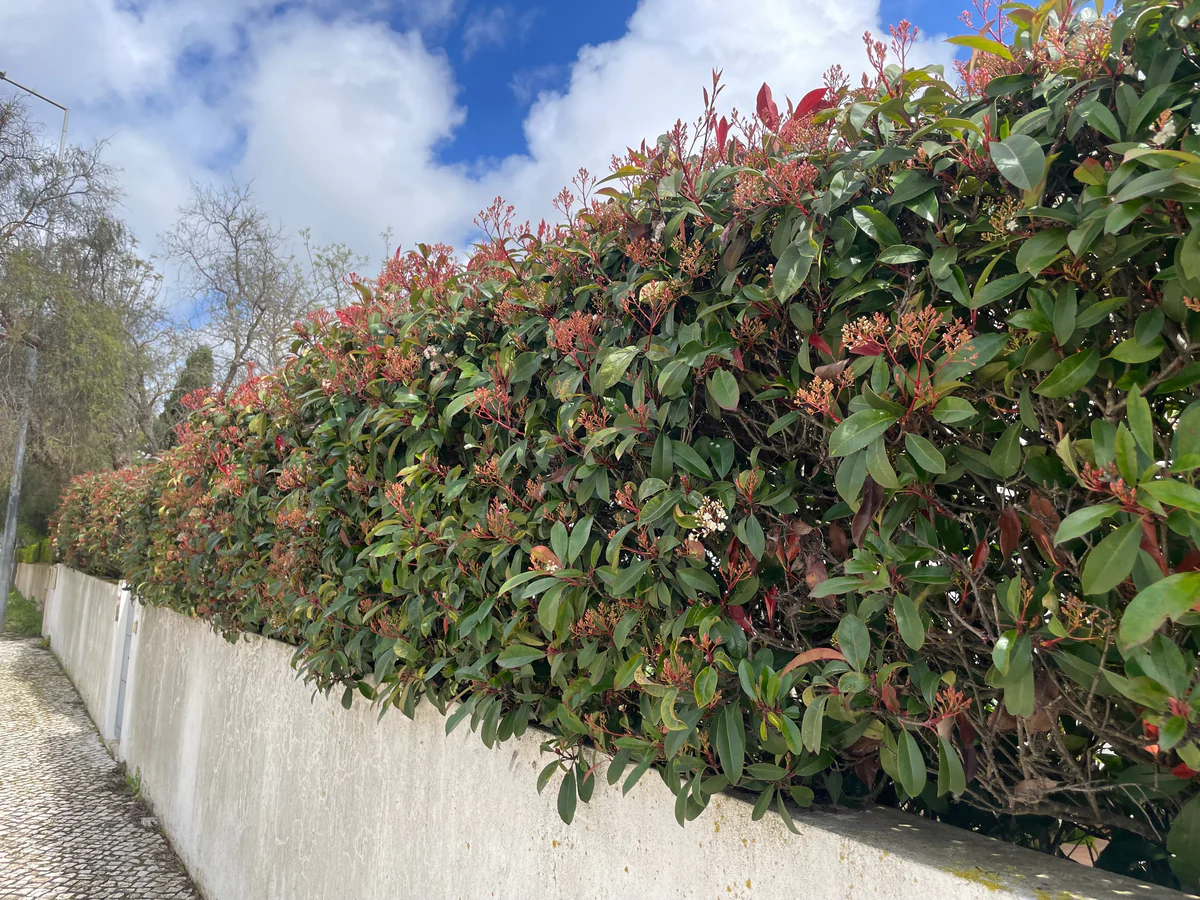
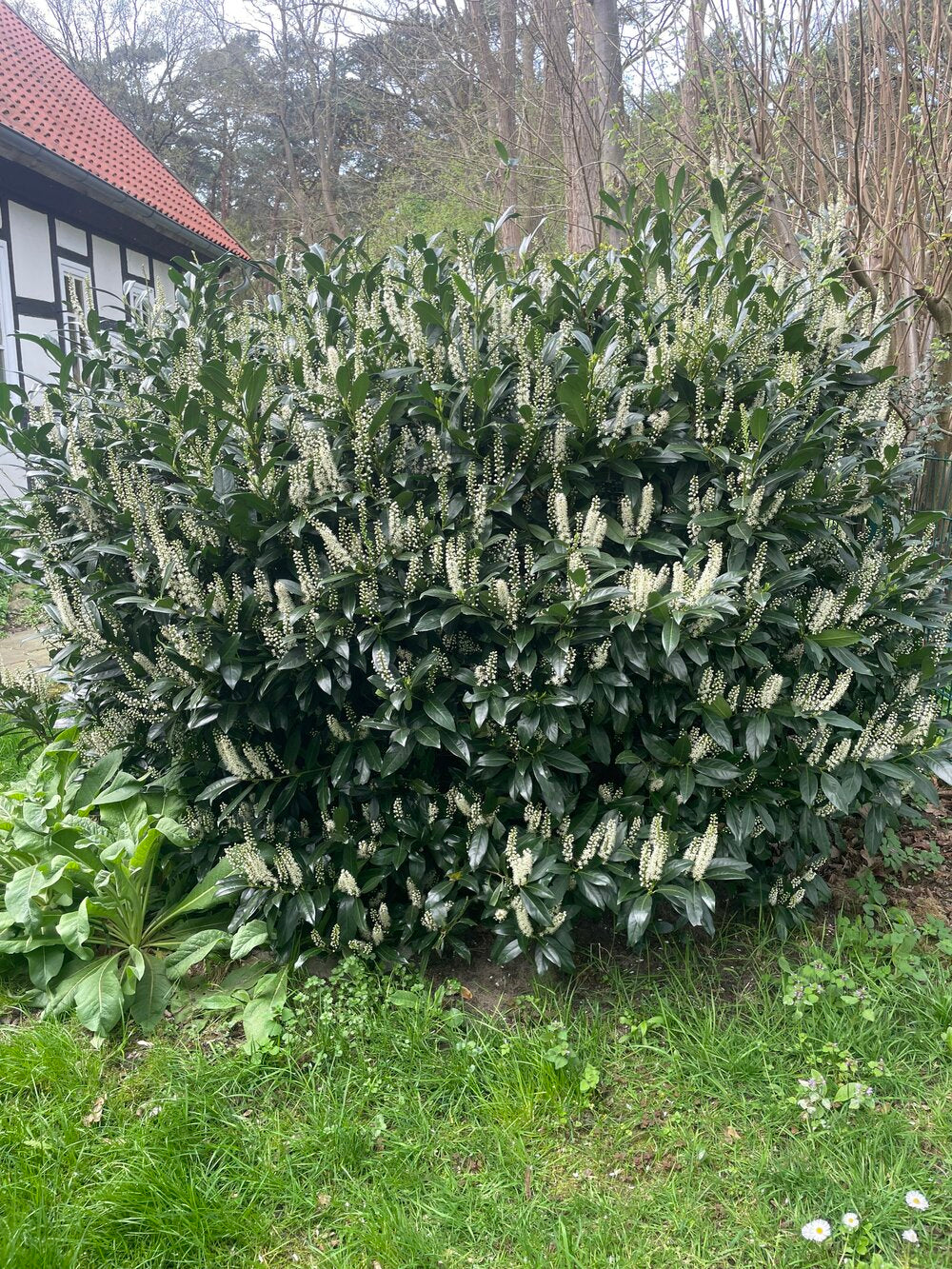
Trees and bushes for shelter: Trees and bushes not only provide birds with a good source of food, but also protection from wind and cold. Especially evergreen shrubs such as yew (Taxus baccata), red medlar (Photinia phraseri 'Red Robin') or cherry laurel offer valuable shelter in the winter months. Other dense hedges, such as hawthorn or privet, and trees also provide protection from the weather.
Curly
Hedgehog House: Hedgehogs are active in winter and need a safe place to escape from the cold. You can buy a small hedgehog house or simply build it yourself from wood or similar materials and line it with leaves or straw. The entrance should be small enough so that the hedgehog is well protected from larger animals. A suitable place for the hedgehog’s home is a quiet, undisturbed area of the garden where no other animals disturb you, as hedgehogs are very shady.
Pile of leaves:
But a pile of leaves, pieces of wood or straw can also serve as a wonderful winter shelter for hedgehogs. Insects and cockroaches also find refuge in this way. So, if you have a lot of autumn leaves in your garden anyway, you can simply use them in a practical way. We have collected here some brilliant tips for the practical use of autumn leaves.
insects
Insect hotel: An insect hotel is a great way to provide shelter for insects during the winter. Especially bees and other pollinators need protected niches for wintering. Make sure the hotel is located in a sunny and wind-protected area to offer the insects the best wintering conditions.
Dead wood: A pile of dead wood is also a very simple and natural refuge for many small animals and useful insects in winter! These piles can be scattered around the garden or collected in a quiet corner to provide a safe haven for insects.
3. Wilted plants: winter wonders instead of cleaning stress
If you think about animals when preparing your garden for winter, you will gain a lot because you can easily ensure that your garden remains animal-friendly even in winter. In addition to the above-mentioned shrubs and roses with their fruits and berries, which you should not cut to preserve this nourishment, this also applies to perennials and herbs. Many perennials and herbs look particularly decorative even in winter with a layer of frost or snow – and at the same time offer protection and food to animals.
While the seed heads of many perennials such as Echinacea OR Fetthenne they constitute a welcome source of food for birds, the dry stems and leaves of grasses such as miscanthus or pennisetum sometimes also provide food for birds, but in any case they constitute a precious refuge for insects and small mammals in winter. Lacewings and ladybugs especially like to winter in thick tufts of grass. Therefore, simply leave the grass and dead perennials standing until spring – this not only looks attractive, but also creates living spaces for numerous garden inhabitants.
4. Feeding birds in winter becomes easy
On cold winter nights, birds burn a lot of energy to stay warm, so they rely on high-calorie foods. Of course you can buy bird food, but it often contains unwanted additives etc., so you can easily prepare it yourself. There are grain eaters (e.g. sparrows, tits) who love cereals and nuts, soft eaters (e.g. blackbirds, robins, who often love berries on bushes, but also oatmeal, fresh or dried fruit, and flexible omnivores. Therefore it makes sense to prepare bird food with different elements.
Here is a simple DIY bird food recipe:
Ingredients
200 g Flanzenfett (z. B. Kokosfett)
200 g of oat flakes
100 g of sunflower seeds
50 g raisins and/or nuts (unsalted and unsulfured), e.g. hazelnuts or walnuts
Coconut oil ensures that the kernels and flakes do not swell and then spoil so quickly and offers the birds additional energy. Hemp seeds are also a wonderful component in bird food.
Directions:
Melt the fat in a pan (do not boil!). Add the oat flakes, sunflower seeds and raisins. Pour the mixture into shapes (e.g. cups, coconut shells or an empty flower pot with a hole) and tie a string for hanging.
Leave to cool, reattach – done!
Conclusion
You see: an animal-friendly winter garden is not a science: with a few simple steps you can help many wild animals get through the winter. At the same time, make your garden come alive and ensure beautiful nature experiences directly in your home! Try it: just a few bushes or a small feeding area are enough to make a difference!
latest posts published
The best alternatives to cherry laurel and thuja: hedge plants for finches
Heat in the Garden – How to Protect Your Plants from Drought Stress – finch
Evergreen plants in the garden: structure and color
Which one suits your garden? — Tree Finch

Redefine your bedroom with Bernhardt luxury beds
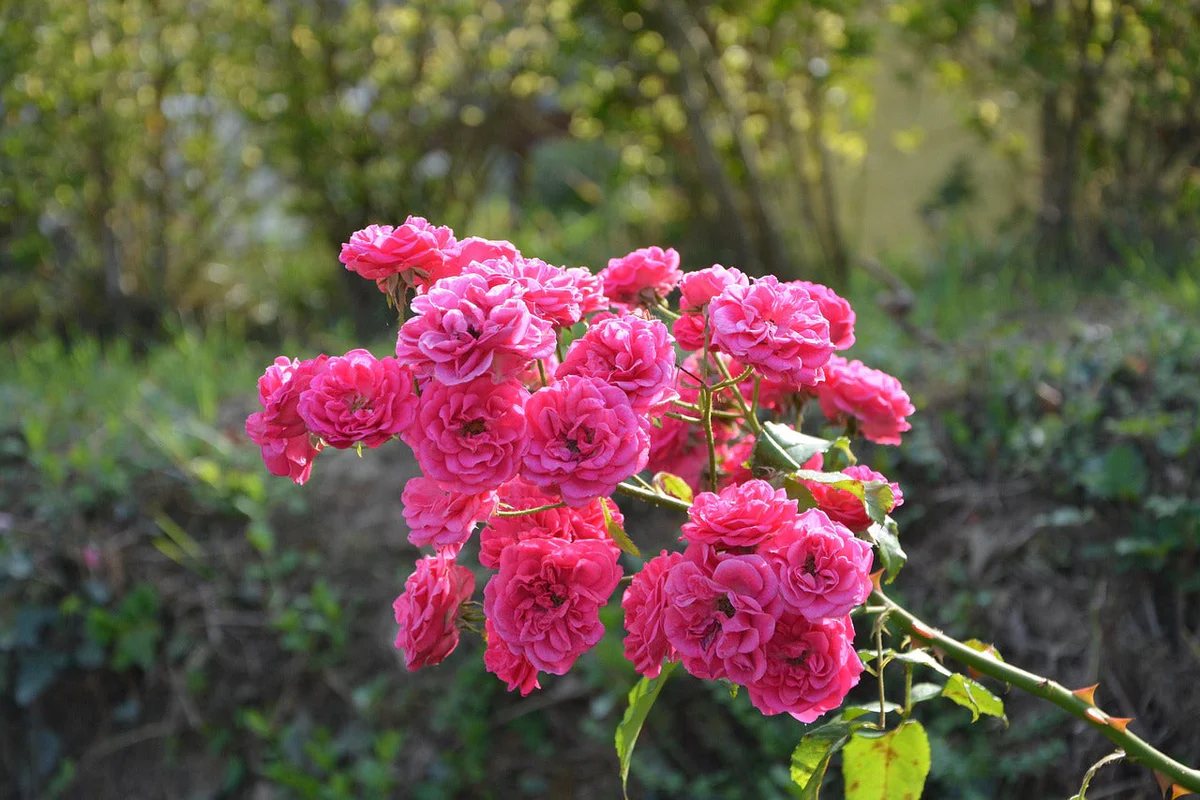
Use climbing roses as privacy screens and green facades in the garden – chaffinch
Best Home Remedies for Your Garden: Chaffinch

Caracole – Elegance, refinement and inspiring design
This is how olives, roses, etc. they survive the finch