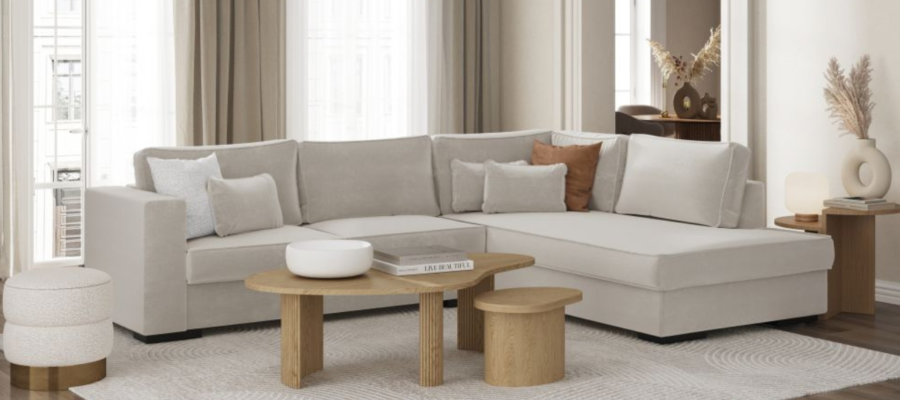
Fabric sofas are often chosen for their comfort and aesthetics. However, they can be a source of allergies for some people. By understanding the causes and taking some preventative measures, you can reduce the risk of allergies while still enjoying your favorite furniture. In this article we offer you practical advice to minimize these inconveniences.
Understanding the causes of allergies to fabric sofas
Mites: invisible enemies
THE mites they are one of the main causes of allergies in homes. These tiny creatures especially thrive in warm, humid environments. Fabric sofas, due to their consistency and composition, offer an ideal refuge for these parasites. They feed primarily on dead human and animal skin, making them unavoidable in most homes.
The fight against mites starts by understanding where they hide. In addition to the sofa, they also take refuge in beds, carpets and other coverings. To reduce their presence it is essential to adopt some cleaning and maintenance habits.
Allergens trapped in the fabric
In addition to dust mites, fabric sofas can retain several of them allergens such as dust, animal hair and pollen. When you or your pets sit on the couch, all kinds of particles can accumulate there, making allergy symptoms worse. This is why it is essential to consider solutions to keep your sofa clean.
Invest in protective covers which can prevent allergenic particles from penetrating deep into the tissue. These covers can be easily removed and washed regularly, providing an effective barrier against allergens.
Strategies to prevent allergies
| Common problems | Causes | Recommended solutions |
|---|---|---|
| Presence of mites | Dust mites thrive in fabrics due to heat and humidity | – Vacuum regularly with a HEPA filter – Use baking soda – Apply anti-mite spray |
| Accumulation of allergens | Dust, animal hair, pollen trapped in the fibers of the sofa | – Wash covers frequently – Avoid thick and difficult to clean fabrics – Install air purifiers |
| Poor ventilation | Stagnant air favors humidity and the proliferation of allergens | – Ventilate the room for at least 15 minutes a day – If necessary, install a dehumidifier |
| Materials that promote allergens | Some fabrics attract allergens more than others | – Opt for hypoallergenic fabrics – Prefer a leather or imitation leather sofa |
| Irritating cleaning products | Some chemical cleaners can make allergies worse | – Use natural products such as white vinegar or bicarbonate – Try anti-mite essential oils (eucalyptus, tea tree) |
Regular cleaning should not be overlooked
AND regular cleaning it is essential for maintaining a healthy environment around your fabric sofa. Frequent use ofvacuum with particulate filter is recommended to eliminate dust and mites from the surface. Be sure to vacuum not only visible fabric but also under cushions and along the seams of the sofa.
For more in-depth action, consider baking soda. Spread a thin layer on the fabric, leave to act for about thirty minutes then vacuum thoroughly. Baking soda helps neutralize odors by absorbing residual moisture, reducing conditions conducive to dust mites.
Use of anti-mite products
Opt for anti-mite products commercially available. They are specially formulated to kill or repel dust mites from your indoor environment. When using them, read the instructions carefully and make sure they are suitable for the materials of your sofa.
Nowadays some natural products claim to have similar effects. Essential oils such as clove, eucalyptus or tea tree have proven repellent properties against mites. Incorporate these oils into your cleansing sessions to increase overall effectiveness.
Choose hypoallergenic fabrics
When shopping for a new sofa or slipcovers, consider the options designed with hypoallergenic fabrics. These materials are specially made to resist dust mites and mold, helping to create a healthier home environment.
If you are very sensitive to allergies, it may be wise to consider a leather sofa. While generally more expensive, this material provides fewer hiding places for dust mites and allergens, making cleaning and allergen management easier.
Adopt a thorough cleaning routine
The importance of regular maintenance
In addition to paying extra attention to your sofa, be sure to adopt a complete home routine for your entire home. Maintaining a high level of cleanliness in all rooms overall reduces circulating allergens and the risk of them ending up on the sofa.
Make sure you ventilate each room well, use air purifiers if necessary and dust surfaces regularly. These simple but effective actions help keep your living space fresh and clean.
Priority to ventilation
Opening windows not only renews the room air, but also reduces internal humidity, which does not favor the development of dust mites. However, if you are sensitive to outdoor pollen, avoid leaving windows open during peak pollination times.
Complete this ritual by possibly installing dehumidifiers in the rooms most subject to humidity. These devices help maintain an ideal humidity level, improving the respiratory comfort of occupants.
By putting these tips into practice, you can significantly reduce allergens in and around your fabric sofa. A wise mix of prevention, regular cleaning and choosing the right materials will contribute to your overall well-being. Stay alert and adapt your environment to your specific needs to fully enjoy your home without the discomfort of allergies.
latest posts published
The best alternatives to cherry laurel and thuja: hedge plants for finches

Heat in the Garden – How to Protect Your Plants from Drought Stress – finch
Evergreen plants in the garden: structure and color

Which one suits your garden? — Tree Finch
Redefine your bedroom with Bernhardt luxury beds

Use climbing roses as privacy screens and green facades in the garden – chaffinch

Best Home Remedies for Your Garden: Chaffinch
Caracole – Elegance, refinement and inspiring design

This is how olives, roses, etc. they survive the finch