
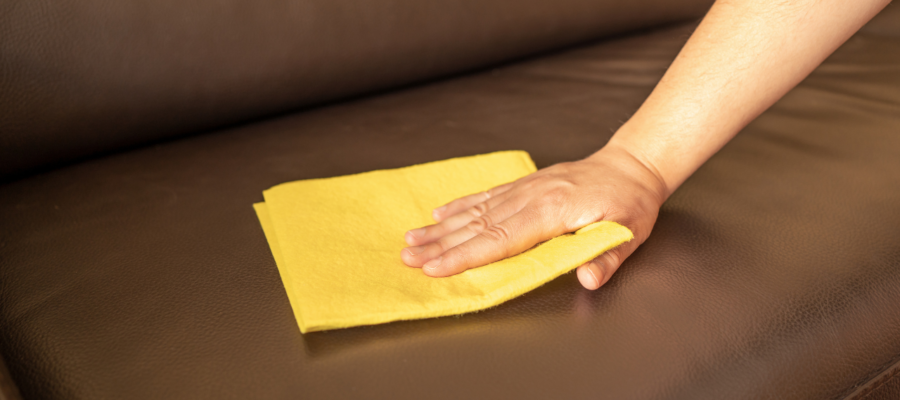
Cleaning a leather sofa may seem like a complicated task, but with the right tips and products it becomes much easier than you think. Whether it’s removing daily dust or treating specific stains, learning how to care for your leather sofa will prolong its life and preserve its elegant appearance.
The essential steps to clean a leather sofa
Regular dusting
The first step to keeping your leather sofa clean is to do it dust regularly. Use a soft cloth or a vacuum cleaner with a suitable brush to remove dirt particles that accumulate on the surface. This method prevents premature wear and maintains the luster of the leather.
To improve this routine, vacuum your couch at least once a week. This will remove the dust before it gets stuck in the leather fibers.
Use of suitable cleaning products
When cleaning your leather sofa, it is essential to use leather-specific products to avoid damage. Here are some suggestions:
- Marseille soap: THE Marseille soap it is ideal for gently cleansing the skin without drying it.
- Baking soda: For stubborn odors, sprinkle some on the sofa and leave for 15 minutes before vacuuming.
- White vinegar: Mix a little white vinegar with warm water to effectively remove stains.
- Cleansing milk: Apply it with a cotton pad to nourish the skin and restore its shine. You can also check out these sofa cleaning products.
These products not only help cleanse the skin, but also maintain its elasticity and prevent cracking.
Specific techniques for removing stains
Water and drink stains
Water stains can be quite common, especially in homes with children. To treat them, wipe immediately with a dry cloth to absorb excess liquid. Then use a towel slightly damp and gently dab the affected area.
For drink stains such as wine or coffee, stir black soap withwarm water and apply the solution using a soft cloth. Then rinse with another cloth moistened with clean water and dry thoroughly.
Oil and grease stains
Oil stains can leave persistent marks if not treated promptly. Sprinkle with baking soda on the stain and leave for a few hours to absorb the oil. Then remove the bicarbonate with a vacuum cleaner.
If the stain persists, dab with a damp clothAlcohol 90°then rinse with a damp cloth. It is important to test this product on a hidden part of the sofa before use to ensure it does not damage the leather. When in doubt, follow this guide to cleaning a white leather sofa.
Maintain the leather to prolong its life
Moisturizes the skin
Regularly moisturizing your skin is essential to prevent dehydration and cracking. Use a hydrating milk specifically for your skin or opt for one cleansing milkapplied with a cotton pad. This deeply nourishes the skin and restores its shiny appearance.
Carrying out this operation every three months helps maintain the elasticity of the skin and preserve its original color. If you use your sofa intensively, increasing the frequency to once a month can be helpful.
Protection against future damage
To protect your leather sofa from UV rays and other sources of damage, it may be helpful to place furniture away from windows or use curtains to block direct light. Also, avoid placing your sofa near direct heat sources such as radiators, as this can speed up the drying process.
Investing in a leather protectant spray can also add an extra layer of protection against stains and scratches. Make sure you choose a product recommended for the type of leather your sofa is made of.
Ideal frequency for cleaning and maintenance
Weekly routine
Simple weekly maintenance consists of dusting regularly with a soft cloth or with a vacuum cleaner equipped with a special brush. Don’t neglect corners and seams where dust tends to accumulate more.
Clean small blemishes as soon as they appear to prevent them from becoming deeply embedded in the skin. A simple wipe with a slightly damp cloth is usually sufficient.
Monthly and quarterly maintenance
Every month give your leather sofa a more in-depth treatment using suitable products such as Marseille soap or the black soap mixed withwarm water. After cleansing, make sure to moisturize your skin well as mentioned above.
Every three months carry out a complete treatment including cleansing, hydration and application of a skin protector. These steps will ensure your sofa stays beautiful and comfortable year after year.
| Product | Usage | Advantages |
|---|---|---|
| Marseille soap | Gentle skin cleansing | Removes dirt without drying |
| Baking soda | Neutralization of odors | Absorbs bad odors and humidity |
| White vinegar | Natural stain remover | Dissolves stains without damaging the skin |
| Make-up removing milk | Hydration and nutrition | Preserves the elasticity and shine of the skin |
Avoid common mistakes
Products to avoid
Some substances are absolutely to be avoided when cleaning a leather sofa. Harsh chemicals like ammonia or bleach can cause irreparable damage. Even some common household cleaners can be too abrasive and dry out your skin.
We also do not recommend using abrasive sponges or sandpaper, which could scratch and damage the surface of the leather. Always choose soft, non-abrasive materials.
Bad habits to correct
Never expose the sofa to direct sunlight or high intensity heat sources. Also avoid eating or drinking on the couch to minimize the risk of stains.
Finally, sit gently, especially if your sofa is made of old or more fragile leather. Taking care of your furniture daily ensures its longevity.
Frequently asked questions
Why is it important to clean a leather sofa regularly?
Regular maintenance helps preserve the elasticity and shine of the leather by preventing the accumulation of dust and dirt. Proper cleaning also prolongs the life of the sofa and prevents cracks.
How to effectively dust a leather sofa?
Use a soft, dry cloth oh vacuum cleaner with a suitable brush once a week. Consider vacuuming the seams, nooks and crannies where dust often accumulates.
What natural products can I use to clean my leather sofa?
- Marseille soap : Gently cleanses without drying the skin.
- Baking soda : Eliminates bad odors and absorbs humidity.
- White vinegar and warm water : Dissolves stains without damaging the skin.
- Make-up removing milk : Hydrates and restores shine to the skin.
How to remove a water stain from a leather sofa?
Immediately blot with a dry cloth to absorb moisture. If the stain persists, apply a slightly damp cloth, then dry with a clean cloth.
How to treat a grease stain on a leather sofa?
Sprinkle with baking soda on the stain and leave to act for a few hours before vacuuming. If necessary, dab with a cloth soaked in 90° alcoholthen clean with a damp cloth.
How to maintain a leather sofa to prevent it from breaking?
Moisturizes the skin every three months with a special moisturizing skin milk or make-up removing milk. This hydration prevents drying and keeps the skin elastic.
What products should you avoid when cleansing your skin?
Avoid thebleachtheammoniaTHE aggressive chemicals and the abrasive spongeswhich can irreparably damage the skin. Always choose gentle, non-abrasive cleaners.
Can you use black soap to clean a leather sofa?
Yes, the black soap diluted in warm water it is an excellent alternative for deep cleansing without damaging the skin. Apply it with a soft cloth and rinse lightly with a damp cloth.
How to protect a leather sofa from stains and wear?
- Apply to protective spray special leather to create a barrier against stains.
- Place the sofa away from direct sun AND heat sources to prevent it from drying out.
- Clean any stains immediately to prevent them from settling.
How often should I maintain my leather sofa?
- Every week : Dust with a soft cloth or vacuum cleaner.
- Every month : Clean with a delicate product (Marseille soap or diluted black soap).
- Every three months : Skin hydration with a special milk.
How to avoid bad habits that damage a leather sofa?
- Don’t sit down suddenlyespecially on old skin.
- Do not eat or drink on the sofa to limit the risk of stains.
- Do not use conventional cleaning wipeswhich may contain drying agents.
latest posts published
The best alternatives to cherry laurel and thuja: hedge plants for finches

Heat in the Garden – How to Protect Your Plants from Drought Stress – finch
Evergreen plants in the garden: structure and color

Which one suits your garden? — Tree Finch

Redefine your bedroom with Bernhardt luxury beds

Use climbing roses as privacy screens and green facades in the garden – chaffinch

Best Home Remedies for Your Garden: Chaffinch

Caracole – Elegance, refinement and inspiring design

This is how olives, roses, etc. they survive the finch