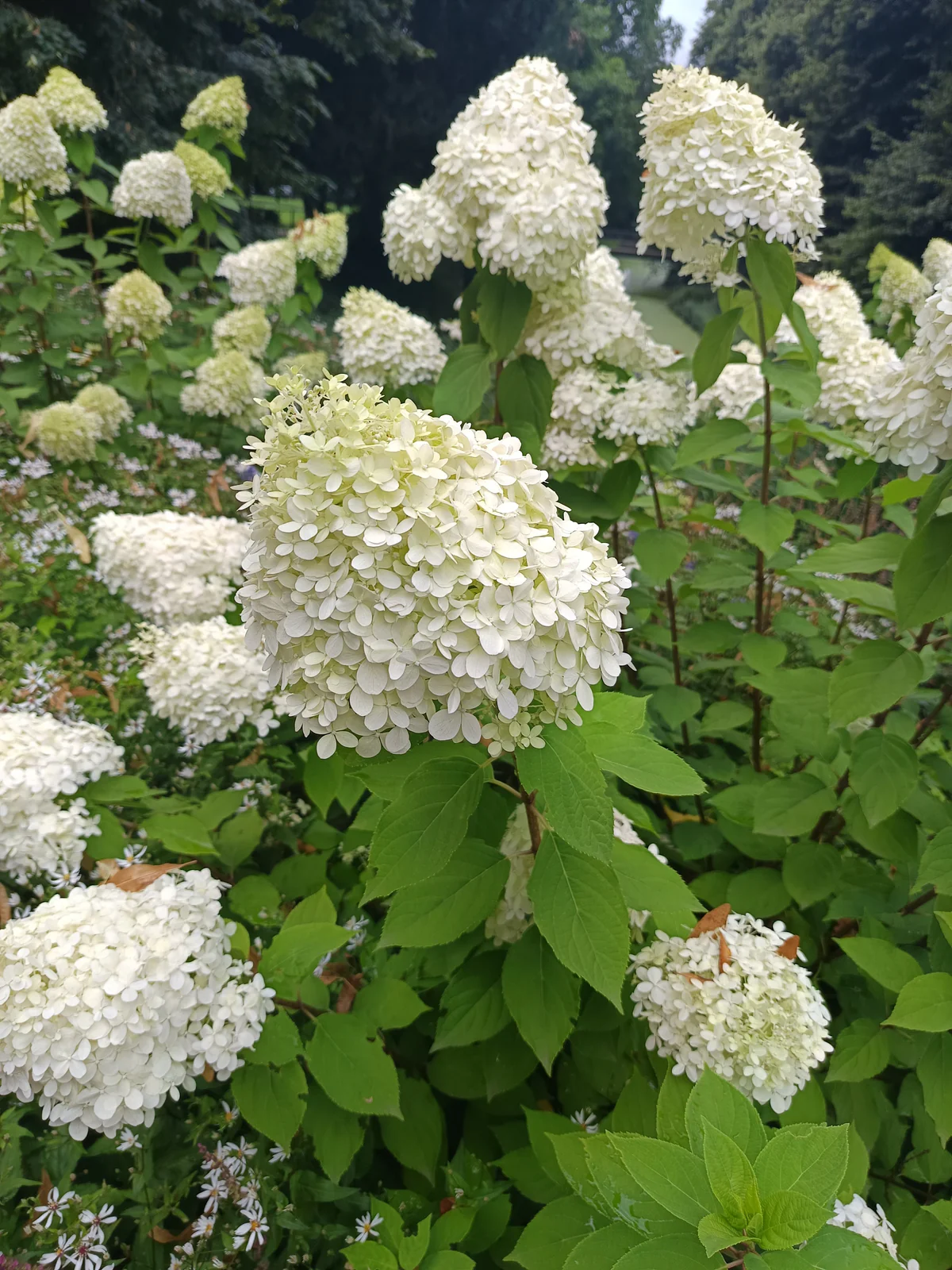

Autumn time = garden time – just different
Fall is the most important time to prepare for the next year of gardening! Those who plant, cut, protect and plan are now laying the foundations for a blossoming spring. And if you start now, you’ll have less stress and more joy come spring.
In our garden calendar for autumn you will find the most important points to tick for each month:
September 1: Harvest and new beginnings
September is a small balancing act: while the vegetable garden is still fully mature, the next sowing cycle has already begun in the area of perennials and shrubs. So it’s harvest time and sowing time at the same time!
Collect and store: Pack your bags for summer
Fruits and vegetables are still in top form: late raspberries, blackberries, apples and figs are ready to be picked. Tomatoes, courgettes, beets and squash are also now in their prime. If you have space, you can can, dry or freeze and preserve food for the summer.
Herbs such as thyme, sage or mint become particularly aromatic in September. Now is the right time to cut them up and preserve them, in the form of tea, spiced oil or parcels for drying.
Plant instead of taking a break: now the earth is ready
Many people think that planting time is in spring. In fact, autumn is even better in many ways: the soil is still warm from summer, the nights become cooler, which creates ideal conditions for root development. Plants such as shrubs, perennials and hedges use this time to root well and start the new year with more vigor in spring.
Plant early bloomers: think about spring now
Tulips, daffodils and crocuses all need a cold stimulus to germinate in spring. So now it’s time to put them in the ground. Place them in groups, among perennials or under young bushes. Combine different flowering periods to prolong the joy of spring.
Cut back summer perennials
When plants such as echinacea, girl’s eye or delphinium have wilted, you can cut them back. The important thing is: don’t eliminate everything radically! Seeds of e.g. B. Stonecrop or asters are valuable to birds and provide structure to the winter bed when there isn’t much else to do in the garden.
October 2: the golden month of work
October is the classic gardening month. The summer heat is over, the nights are cool, but the days are often still mild, so it’s basically perfect for anything that needs to take root, grow and be protected.
Vegetable hedges
This is the best time to plant bare-root hedges: privet, hornbeam or yew take root particularly well if they manage to form roots a few weeks before frost.
Container plants such as the cotoneaster 'Red Robin' or the blood plum are also suitable for autumn planting – with the advantage that you can also plant them all year round, as long as the ground is not frozen.
Use autumn leaves wisely instead of throwing them away
Leaves are not rubbish, but precious raw materials. You can use it for:
- Protect beds with an insulating layer
- to spread as mulch under the bushes
- Make compost (tip: mix it with grass clippings or horn meal)
We have prepared a special article for you on how to intelligently use autumn leaves in the garden!
Danger: You should regularly remove leaves from the lawn, otherwise they will rot. But in the beds it is a natural winter protection.
Improve soil and mulch
October is a great time to prepare your garden soil for next year. Loosen the soil, work in mature compost or leaf humus and cover empty areas with mulch. This protects against erosion, keeps soil organisms active and does not let the land “starve”.
Don’t forget final lawn care
One last draw before winter arrives, but not too short. The ideal is a stem length of about 5 cm. If you want, you can have another one now Autumn fertilizer rich in potassium Apply, which makes the lawn more resistant to frost.
November 3: The garden needs protecting
The rest period begins in November, at least on the surface. But there is still a lot to do underground. Now the most important thing is protection, order and good preparation.
Organize winter protection
Depending on their sensitivity, the potted plants should now be moved into winter quarters or at least well wrapped. Jute bags, fleece covers and coconut mats help protect roots and shoots from frost.
Even the most sensitive perennials and young trees enjoy a protective covering of pine leaves or branches.
Final plantings
If the ground is still open, you can still do it now bare root trees be planted. Important: water abundantly so that the roots are in contact with the soil.
Helping animals: creating habitats
In the natural garden, now is the time for care: piles of leaves for hedgehogs, messy corners with branches and stones for insects or nest boxes for birds offer protection and places of refuge. This way your garden becomes a useful winter refuge in winter and a meeting place for biodiversity in spring.
Prepare tools and equipment for the winter
Spades, rakes, scissors, etc. they will thank you if you clean, sharpen, oil and store them in a dry place before winter. You should also protect garden hoses, rain barrels, and pumps from freezing.
4. Special topic: preparing beds and pots for the winter
Not all plants are hardy and not all places are the same. If you have balcony boxes or raised beds, you should take special care of them.
Which plants can be outdoors?
- Perennials such as cranes, asters, purple bells or bergenias they are generally rustic, light pruning is sufficient.
- You should bring young or sensitive plants with you Fleece, mulch or leaves protect.
What belongs inside?
- Mediterranean herbs such as rosemary, lavender (depending on the variety), oleander or citrus fruits should definitely overwinter frost-free.
- Exotic perennials or sensitive potted plants also need a bright, fresh winter quarter, e.g. B. in the basement or corridor.
Replant the balcony boxes or let them sit
You can take your boxes with you Heather, herbs and resistant foliage plants redesign them or simply cover them with mulch and restart them in the spring. Important: avoid water stagnation!
5. Special Topic: Think about spring now
The cold season is the perfect opportunity to plan with complete peace of mind:
- What worked well this year?
- What do you want to change, try, add?
Jot down ideas for new bed combinations, garden areas, or plant requests!
….As you can see, there is a lot to do in the fall before your garden goes into winter rest!
Happy gardening! 🙂
latest posts published
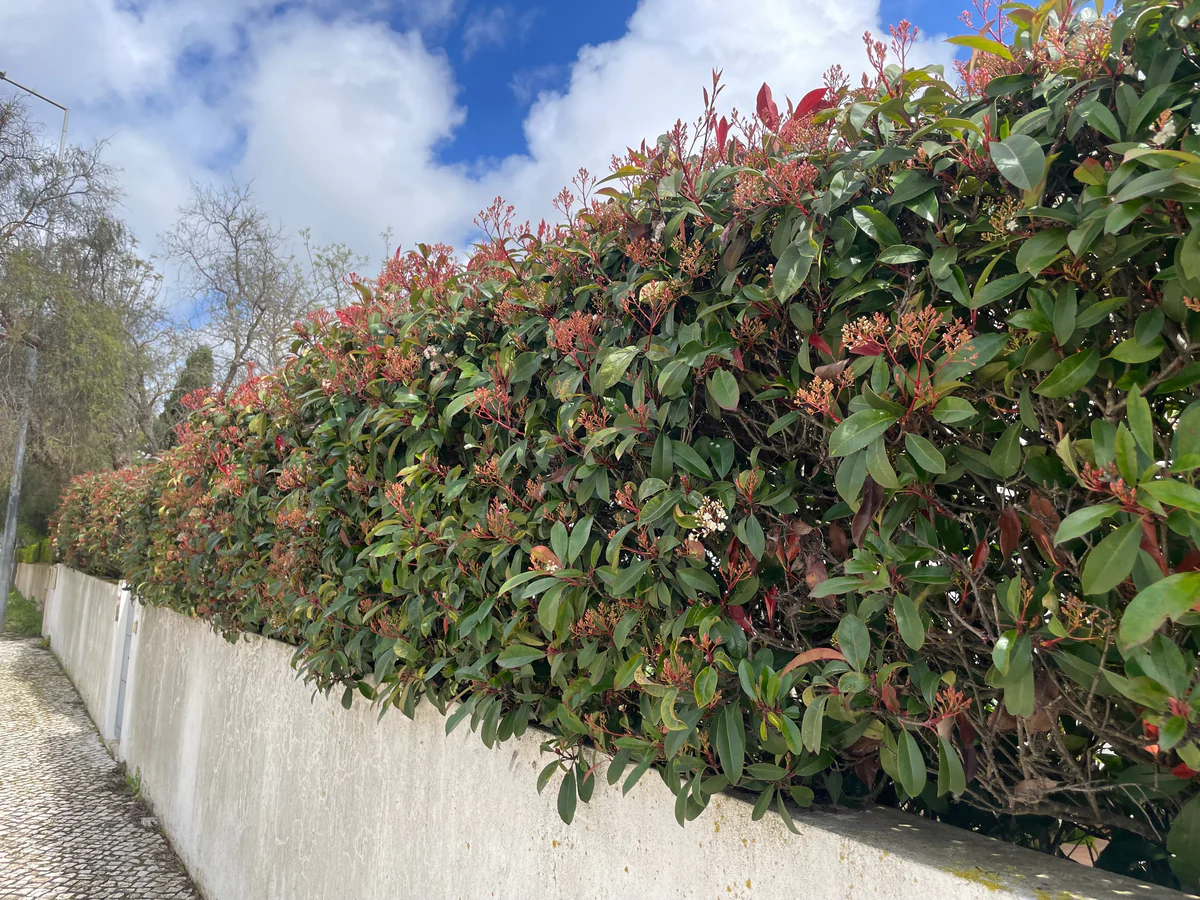
The best alternatives to cherry laurel and thuja: hedge plants for finches
Heat in the Garden – How to Protect Your Plants from Drought Stress – finch
Evergreen plants in the garden: structure and color
Which one suits your garden? — Tree Finch

Redefine your bedroom with Bernhardt luxury beds
Use climbing roses as privacy screens and green facades in the garden – chaffinch

Best Home Remedies for Your Garden: Chaffinch

Caracole – Elegance, refinement and inspiring design
This is how olives, roses, etc. they survive the finch