Why hydrangeas are so popular and how to find the right combination
Whether country, panicle or flat hydrangeas, the beautiful flower spheres are among the most popular classics in the garden. No wonder: they bloom profusely, for a long time and with beautiful colors. But they can only truly perform at their best when the environment is right. In this article you will find inspiration and ideas for harmonious combinations with hydrangeas, regardless of whether you want to create a shaded flowerbed or a sunny flowerbed.
1. What location is ideal for hydrangeas
Although hydrangeas are hardy, they are not entirely undemanding. To ensure that they remain viable and flower reliably for many years, it is worth paying attention to the location and soil.
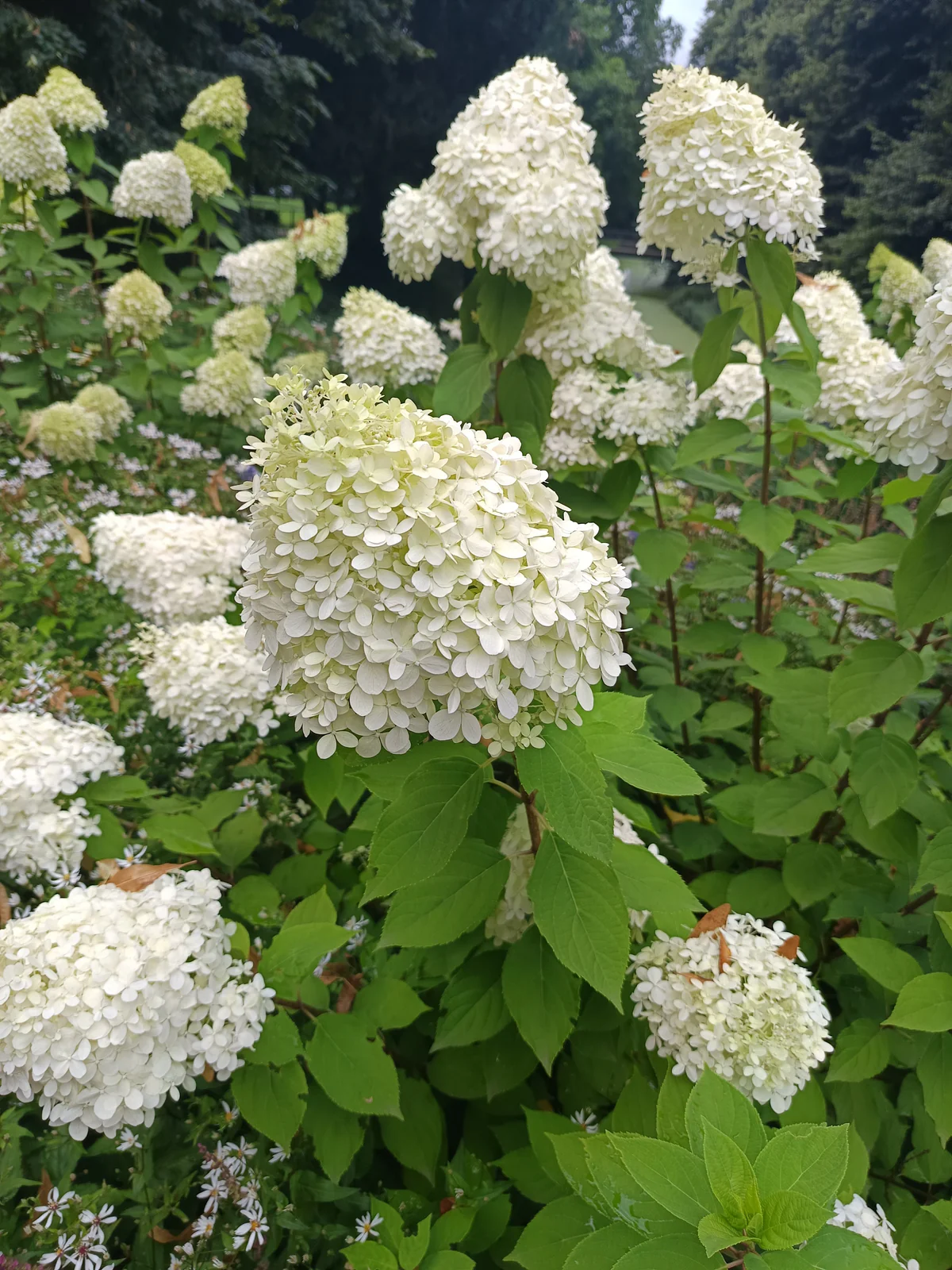
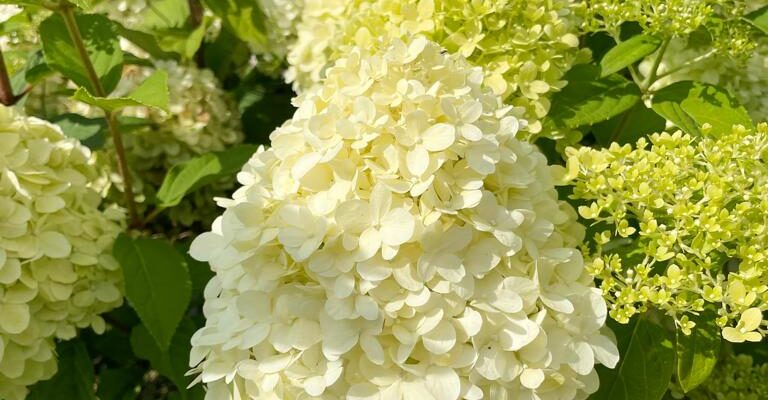
- Lighting conditions: In particular Countryside hydrangeas (Hydrangea macrophylla) e Hydrangeas (Hydrangea serrata) thrives best in partial shade and can tolerate more shade than many other flowering shrubs. Snowball hydrangeas (Hydrangea arborescens) like 'Annabelle' tolerate even light shade very well and are considered relatively shade tolerant. Panicle hydrangeas (Hydrangea panicola), for example the panicle hydrangea 'Limelight', prefers sunny or semi-shaded positions: it grows in the shade, but flowers more weakly.
- Boden: Prefer hydrangeas moist soils, rich in humus and slightly acidic. If you don’t have acidic soil, you can help yourself with rhododendron soil, leaf compost or acidic mulch (e.g. bark humus or needle litter). On the other hand, they do not like calcareous soils at all: it is useful to water them regularly with rainwater.
- Wind and competition: A sheltered location without strong winds this is ideal, otherwise large flowers will bend easily. Also Root pressure from large trees it can become a problem, so it is best to keep a certain distance or create a root barrier.
2. Color concepts in the hydrangea bed: tone on tone or contrast?
With their many color variations, hydrangeas are true combination artists. Whether tone-on-tone or with contrasts – everything is possible. It is important that the color concept fits the style of your garden.
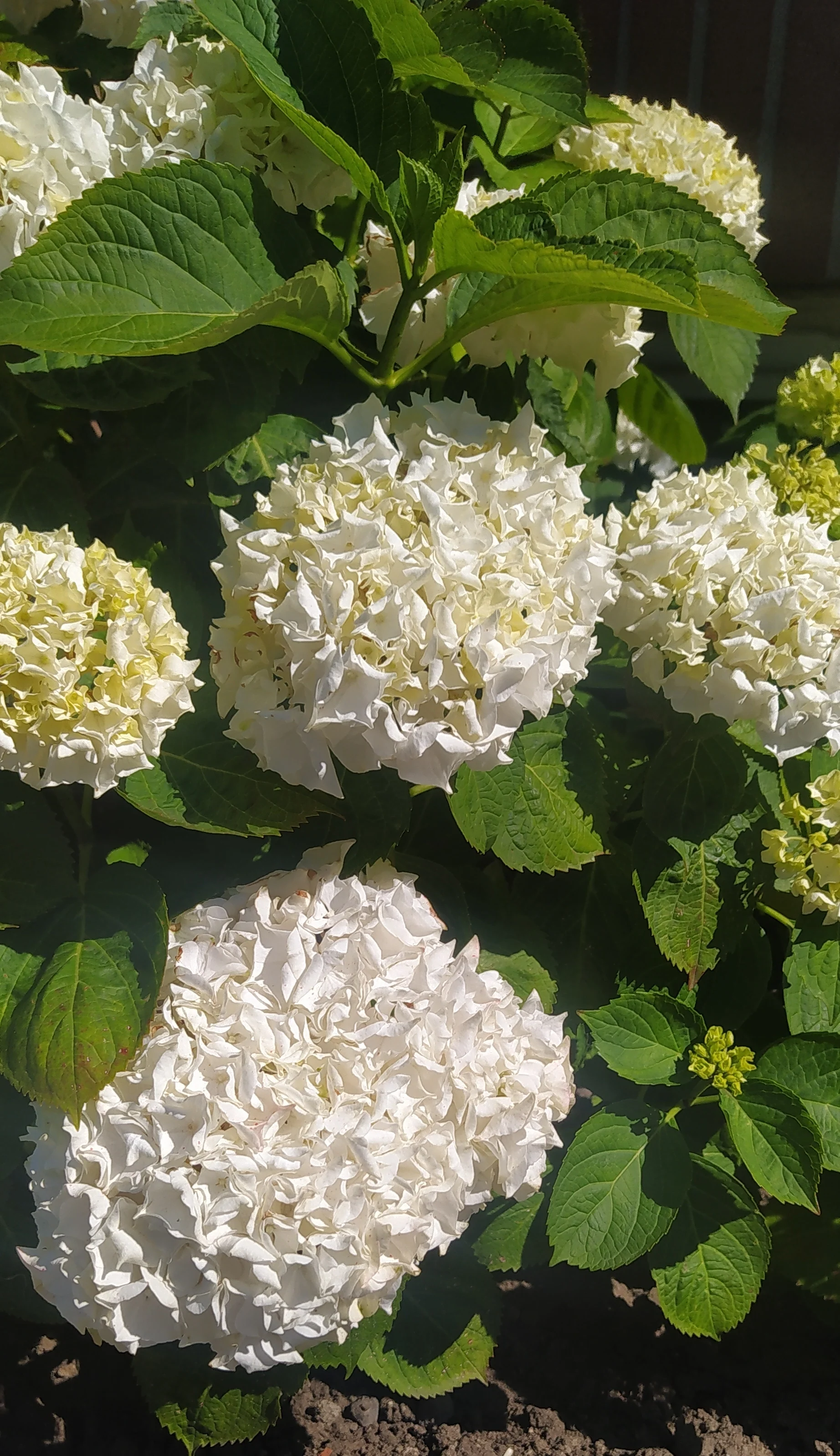
- White always works: Similar varieties "Annabelle" OR ’Limelight' With their white or cream-colored flowers they look particularly elegant. They combine perfectly with silver or dark green leaves.
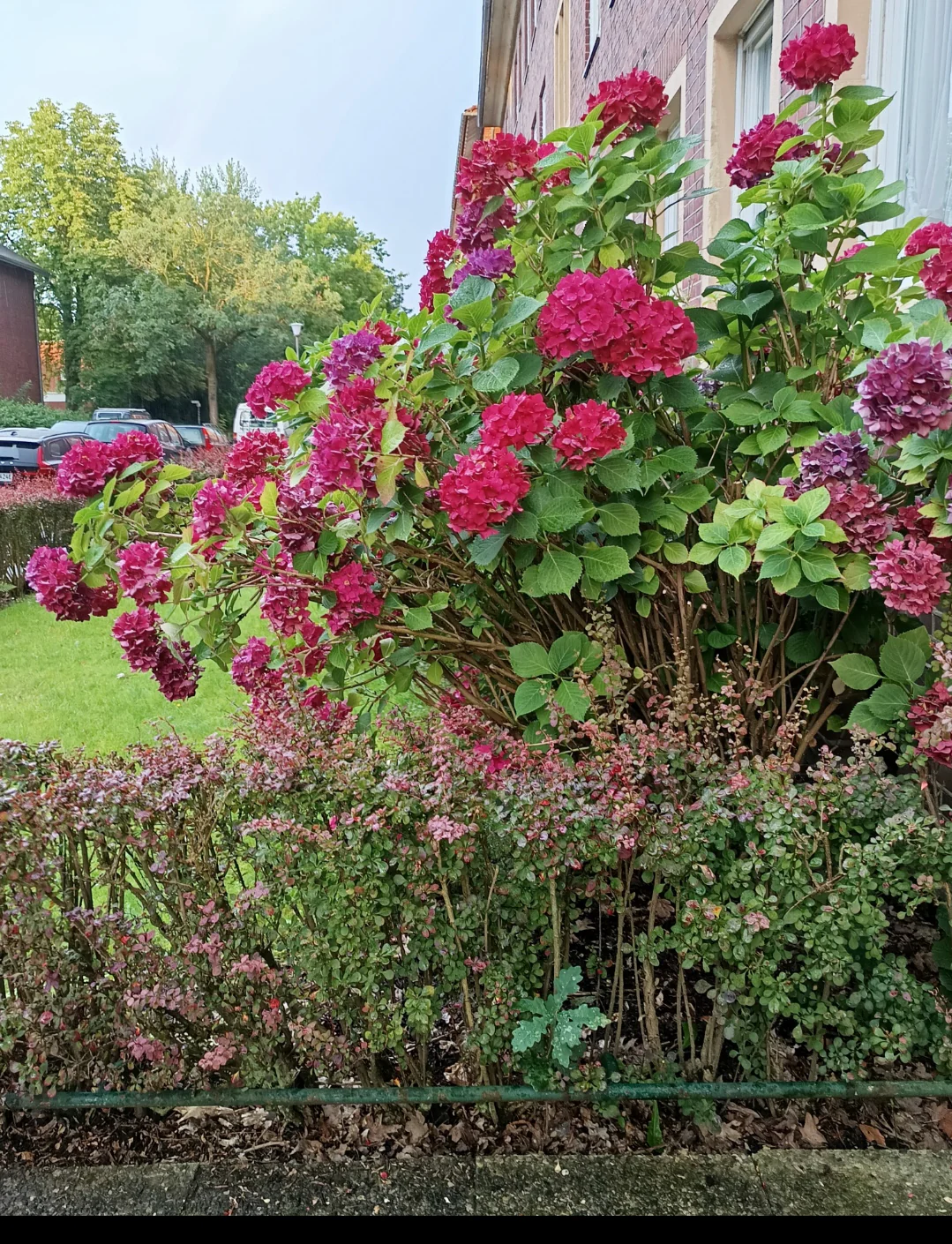
- Blue and pink mixed romantically: A classic cottage combination: you can combine blue and pink hydrangeas very well with pastel perennials such as lady’s mantle, astilbe or bluebells.
- Structure through contrasts: plants with silvery or felty leaves such as holywort, stachys (dog’s ear) or lavender form excellent equivalents to the lush flower balls of the hydrangea and bring visual peace to the flowerbed.
3. Planting partner for shaded beds with hydrangeas
If you want to create a semi-shaded to shaded flowerbed, hydrangeas are exactly the right protagonists. Especially hydrangeas and farm hydrangeas feel at home here and you can combine them perfectly with the following plants:
- Broad-leaved perennials such as hostas (Hosta) and ferns harmonize beautifully with the spherical flowers of hydrangeas thanks to their leaf structure.
- Vinca minor (Small periwinkle) or Waldsteinia (Golden strawberries) provide lush green cover and keep the soil moist.
- Trees that love shade like the padded one Schneeball (z. B. Viburnum opulus Roseum) or the dogwood (Cornus alba Eleganitissma) with decorative foliage or the varieties with colored bark complete the picture wonderfully, but the yew also works very well as a topiary or hedge.
4. What plants do well with hydrangeas in the sun
In the sunny beds they are mainly Panicle hydrangeas of demand: they can cope with more light and work particularly well in combination with drought-tolerant and structurally strong partners.
- Ornamental grasses As Chinaschilf (Miscanthus) OR Lampenputzergras (Pennisetum alopecuroides) gives movement and lightness to the planting – perfect in contrast with the heavy flower heads.
- In combination with Echinacea, Catnip OR wise A long-lasting, insect-friendly summer bed with a Mediterranean touch is born.
- Evergreens Topiaries As Boxwood, Ilex OR Kleinbleibender Privet sets clear lines – ideal as a calming frame for lush plantings.
5. Hydrangea bed structure: height, rhythm and flowering time
A successful hydrangea bed thrives on variety and clear structure. The decisive factors here are the height conditions and the staggering of the flowering times, because this keeps your bed exciting for many months.
- Height: Depending on the species, hydrangeas reach between Height 1 and 2.5 m. This makes them wonderfully suitable as center or background plants.
- Addition: Low perennials, delicate herbs OR Ground cover in the foreground they create delicate transitions.
- Pay attention to flowering times: If you want to keep the bed interesting all year round, you can also use spring flowers as Lungwort, onion flowers or later asters and anemones. These bridge the time gaps before and after the hydrangeas bloom and create a lively bloom calendar in the garden.
Conclusion: Here’s how to create a harmonious hydrangea bed
With the right combination, hydrangea beds become real highlights in the garden. Whether in the shade or in the sun, romantic or formal: for every style there are suitable companions. Get inspired and find your combination for your garden.
Ideas for planting your hydrangea bed
- Romantic and cute: Bauernhortensien + Funkien + Farn + Waldsteinia
- Modern and sunny: Panic hydrangeas + Pennisetum + Catnip + Spherical holm oak
- Elegant and calm: White hydrangeas (’Annabelle') + silver perennials (Stachys, lavender) + boxwood
If you wish, we can also design a single bed for you, suited to the style and location of your garden. Talk to us!
latest posts published
The best alternatives to cherry laurel and thuja: hedge plants for finches
Heat in the Garden – How to Protect Your Plants from Drought Stress – finch
Evergreen plants in the garden: structure and color
Which one suits your garden? — Tree Finch
Redefine your bedroom with Bernhardt luxury beds
Use climbing roses as privacy screens and green facades in the garden – chaffinch

Best Home Remedies for Your Garden: Chaffinch
Caracole – Elegance, refinement and inspiring design
This is how olives, roses, etc. they survive the finch