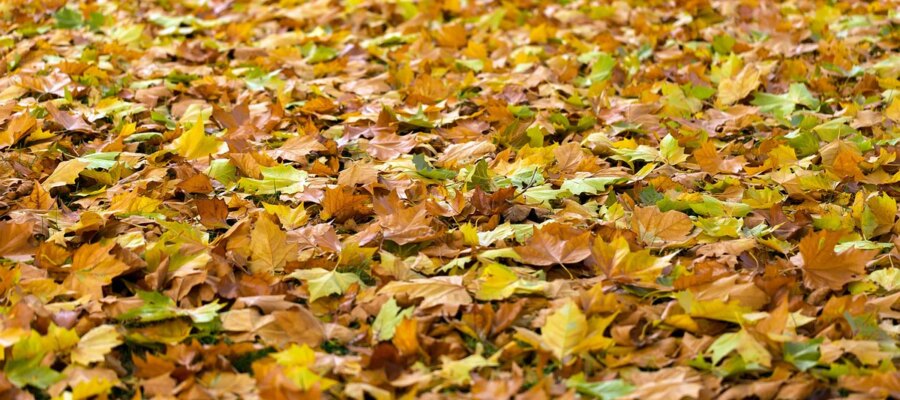
In autumn, many gardens transform into a sea of colorful or, unfortunately, brown leaves. Where to put all the leaves? Instead of throwing them away, there are wonderful ways to put fall leaves to good use in your garden. We will show you the most useful tips on how to use it instead of worrying about how and where to dispose of it correctly.
1. Use leaves as mulch
One of the simplest and most effective ways to use autumn leaves in the garden is to use them as a layer of mulch. Mulch protects the soil from drying out, suppresses weeds and provides valuable nutrients when decomposed. You can use a layer of shredded leaf mulch which is particularly suitable for beds, under trees and bushes and for pavements. It is best to shred the leaves with a lawnmower or shredder before applying them as mulch, as this speeds up the decomposition process and ensures a more even layer.
2. Leaf compost: a nutrient-rich soil conditioner
Fall leaves are also a great addition to your compost pile if you have one! It provides carbon, which is needed in the composting process to become nutrient-rich humus with nitrogen-rich materials such as grass clippings or kitchen scraps. The leaves of fruit trees, lime trees and maples are particularly easy to compost. Oak, walnut or chestnut leaves decompose a little more slowly due to their high tannic acid content and are therefore better mixed with other compost materials.
Suggestion: It is best to place a layer of leaves among green waste such as vegetable waste to ensure the right balance of carbon and nitrogen in the compost.
If you don’t have a compost pile, there is a second option. To do this, simply place the leaves in a large plastic bag, such as a garbage bag, add water and close the bag tightly. Then make a few small holes in the bag to allow the air to exchange and place it in a shaded corner of your garden. It may take several months and up to a year before you can use broth diluted with water when irrigating. If you destroy the leaves early, the rotting process will accelerate.
3. Pile of leaves as winter housing for animals
Or for those who have even less time available: you can also simply leave a pile of leaves in a quiet corner of your garden, because animals love them in winter. A pile of leaves of this type serves, for example, as a winter refuge for hedgehogs or toads and even insects such as ladybugs find protection from the cold and predators. You can perhaps cover the pile of leaves with a few branches to protect it from the wind and the winter shelter for the animals residing in your garden is ready!
4. Foliage as frost protection for plants
Delicate plants, especially perennials, roses and young trees, can be affected by frost damage in winter. Simply add a layer of leaves around the root zone of your plants so that the soil temperature remains a little more stable and your plant is protected from excessive temperature fluctuations.
5. Incorporate leaves to improve the soil
The leaves are also great for improving soil! By decomposing slowly, it releases nutrients and improves soil structure, especially if you have heavy soil in your garden. So when you’re digging in your garden or preparing beds in the fall, you can simply plant a few leaves directly into the soil.
Suggestion: Leaves that are particularly difficult to decompose, such as those of oak trees, should be chopped or mixed with nitrogen-rich materials such as compost to ensure better decomposition.
6. Foliage as a raised bed material
You can also use the leaves as a filler for raised beds. When creating new raised beds, it is best to layer coarse material such as twigs and branches, followed by leaves, and finally finer material such as compost and soil. The leaves decompose over time and provide nutrients to your raised bed. So if you’re preparing a new raised bed for the winter so you can grow your own valerian or spinach, you could use the leaves too.
Suggestion: Layer foliage in raised beds at least 20-30 centimeters high to ensure there is sufficient material for the decomposition process.
From all this it also follows that the leaves found in the beds can usually be left there, because in this way you will indirectly benefit from the advantages just described. We think: the use of leaves supports the circular economy and also makes gardening life even easier.
Happy gardening! 🙂
latest posts published
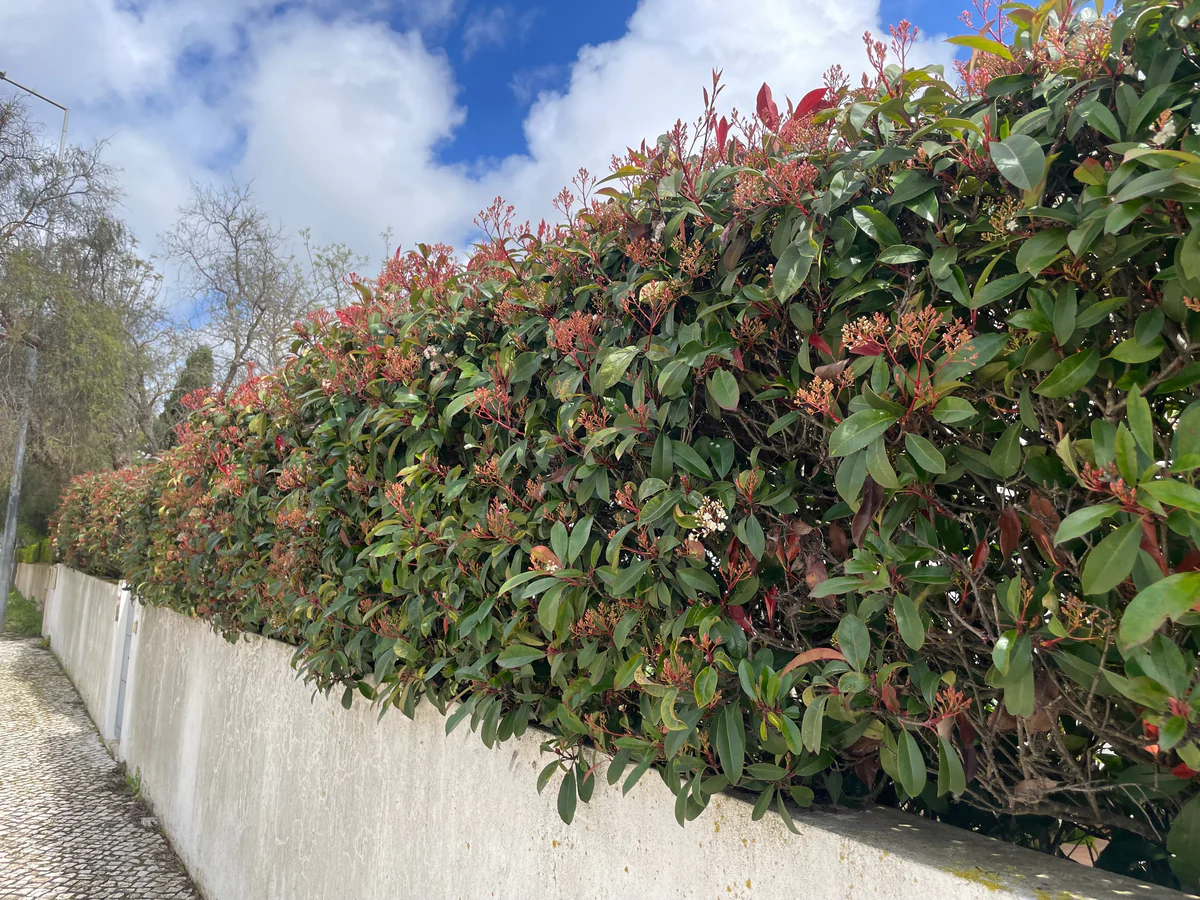
The best alternatives to cherry laurel and thuja: hedge plants for finches
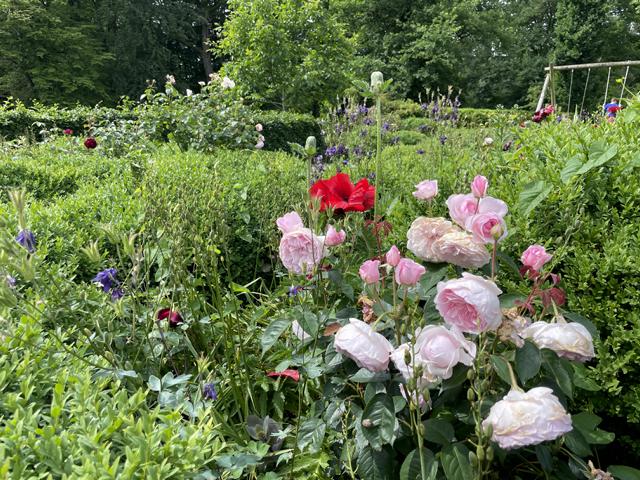
Heat in the Garden – How to Protect Your Plants from Drought Stress – finch
Evergreen plants in the garden: structure and color
Which one suits your garden? — Tree Finch

Redefine your bedroom with Bernhardt luxury beds
Use climbing roses as privacy screens and green facades in the garden – chaffinch
Best Home Remedies for Your Garden: Chaffinch

Caracole – Elegance, refinement and inspiring design
This is how olives, roses, etc. they survive the finch