Many garden owners want an opaque, easy-care hedge and automatically turn to classics such as cherry laurel or thuja. But these species are increasingly criticized: cherry laurel in some regions is considered invasive, has little ecological value and is viewed more and more critically. In Switzerland, from 2024 the purchase and sowing are even prohibited. Thuja, on the other hand, increasingly suffers from dry summers and therefore requires more care than expected.
But there are interesting alternatives: evergreen hedges, partly winter and summer green, which also offer privacy. Especially native hedge plants are a perfect alternative because they are more ecologically valuable.
In this article we will present you the best alternatives to cherry laurel and thuja – with advice on location, care and the right garden style.
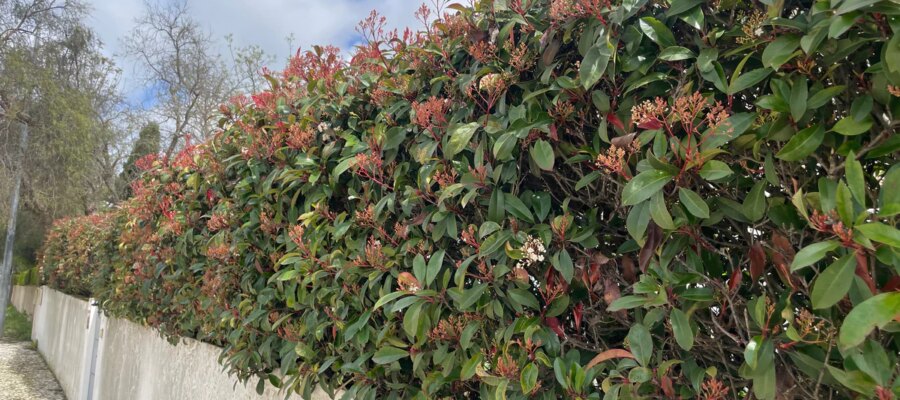
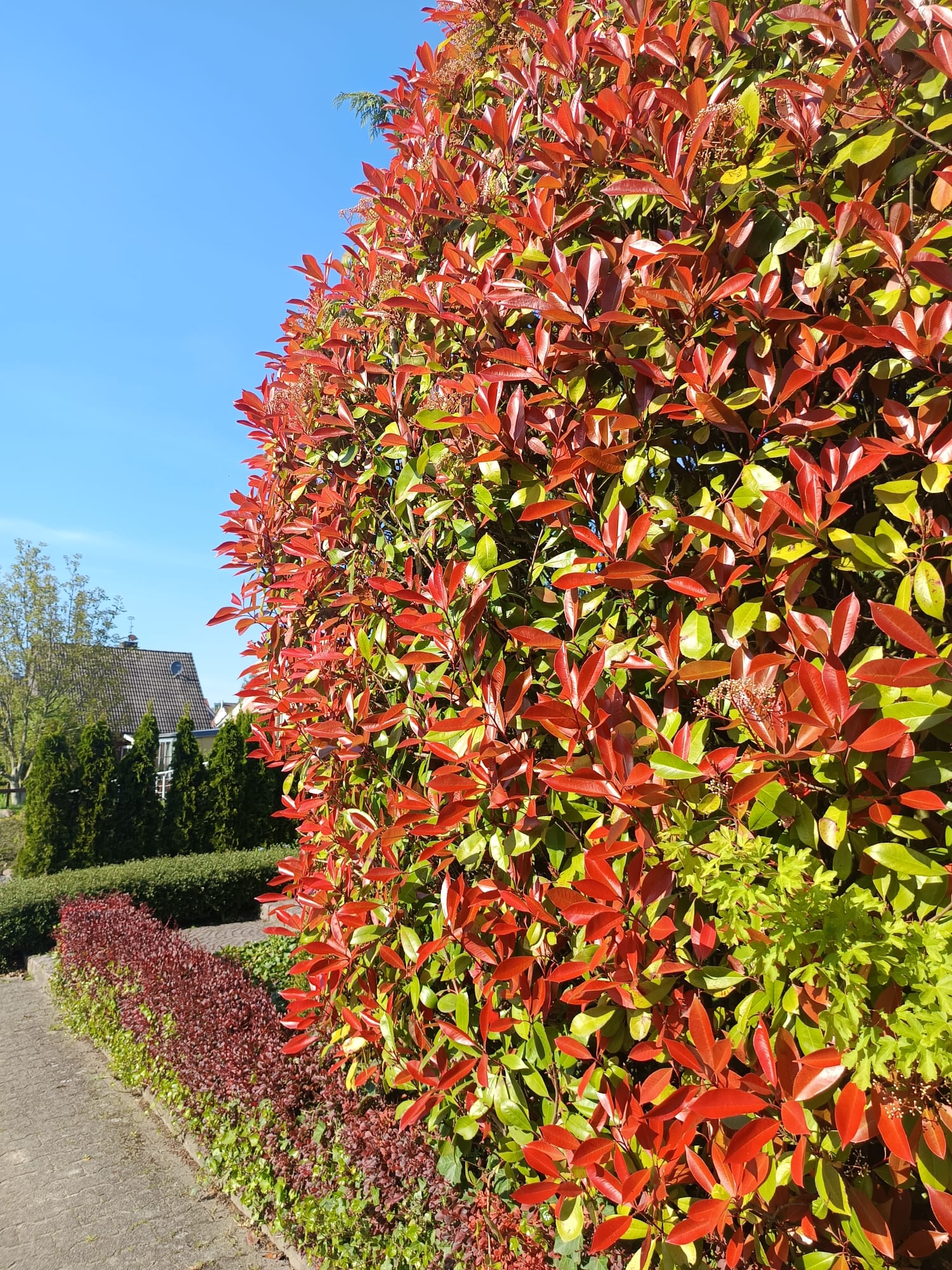
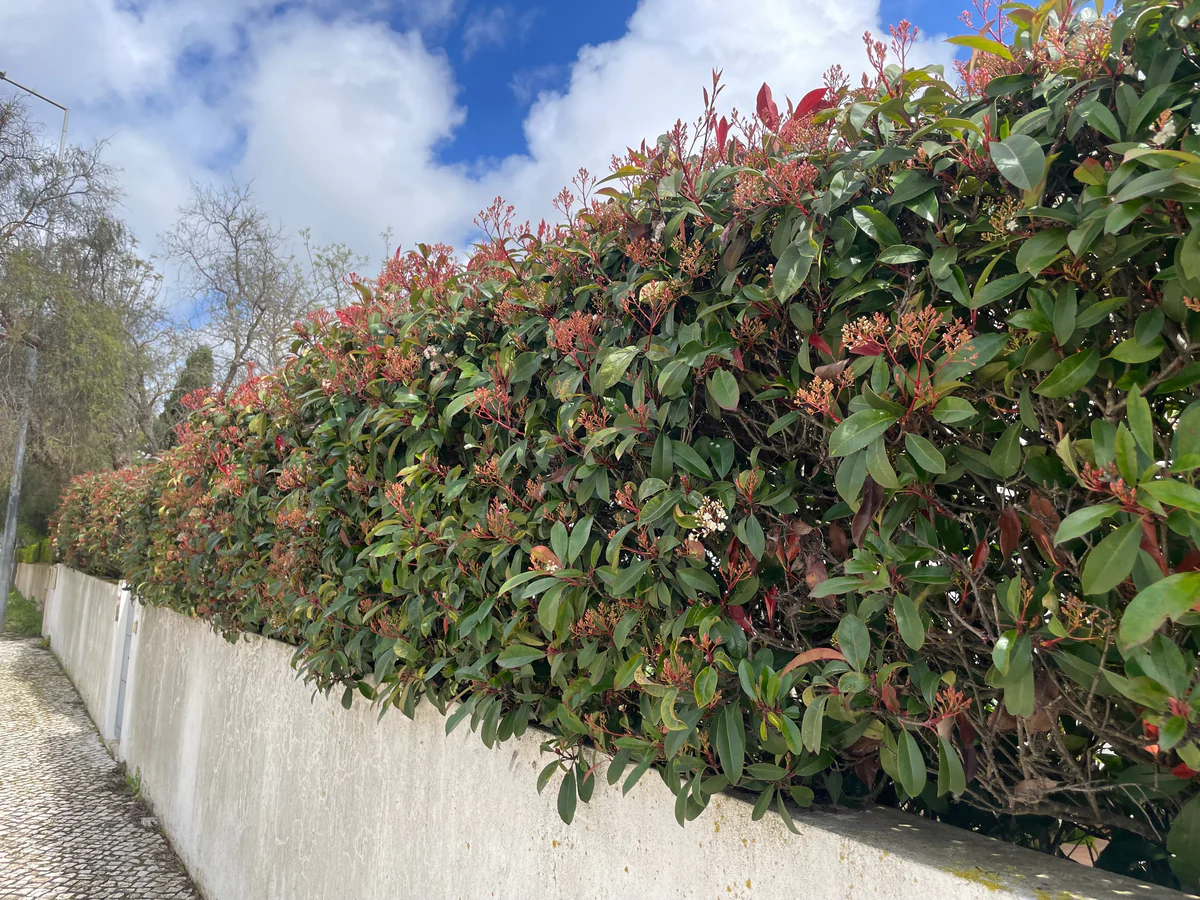
1. Glanzmispel 'Red Robin' (Photinia phraseri)
Evergreen, colorful and modern: With its bright red shoots, the medlar brings life to any hedge, but is evergreen and therefore offers reliable privacy protection. It is easy to cut, relatively easy to care for and ideal for anyone who wants year-round privacy protection with a colorful effect.
- Special Features: Red, evergreen shoots, with a loose, erect habit
- Growth height: Bus approx. 3m
- Position: Sunny to partially shaded, without extreme drought
- Treatment: Pruning 1-2 times a year provides frost protection in difficult locations
- ecology: It is not a native tree, but useful to insects through its flowers
- Clothes: Modern gardens, colorful planting concepts, such as solitaire or hedge
2. Privet 'Atrovirens' (Ligustrum vulgare Atrovirens)
The classic among the hedges: This privet variety is rustic, resistant to cutting and quickly forms a matt hedge. It is partially wintergreen, which means it retains its foliage during mild winters.
- Special Features: Wintergreen, very robust, densely branched
- Growth height: Bus approx. 3m
- Position: Sunny to shady, undemanding to the soil
- Treatment: Cut 1-2 times a year for a dense hedge
- ecology: Native, valuable for birds (berries) and insects (flowers)
- Clothes: Classic, natural and easy-care gardens
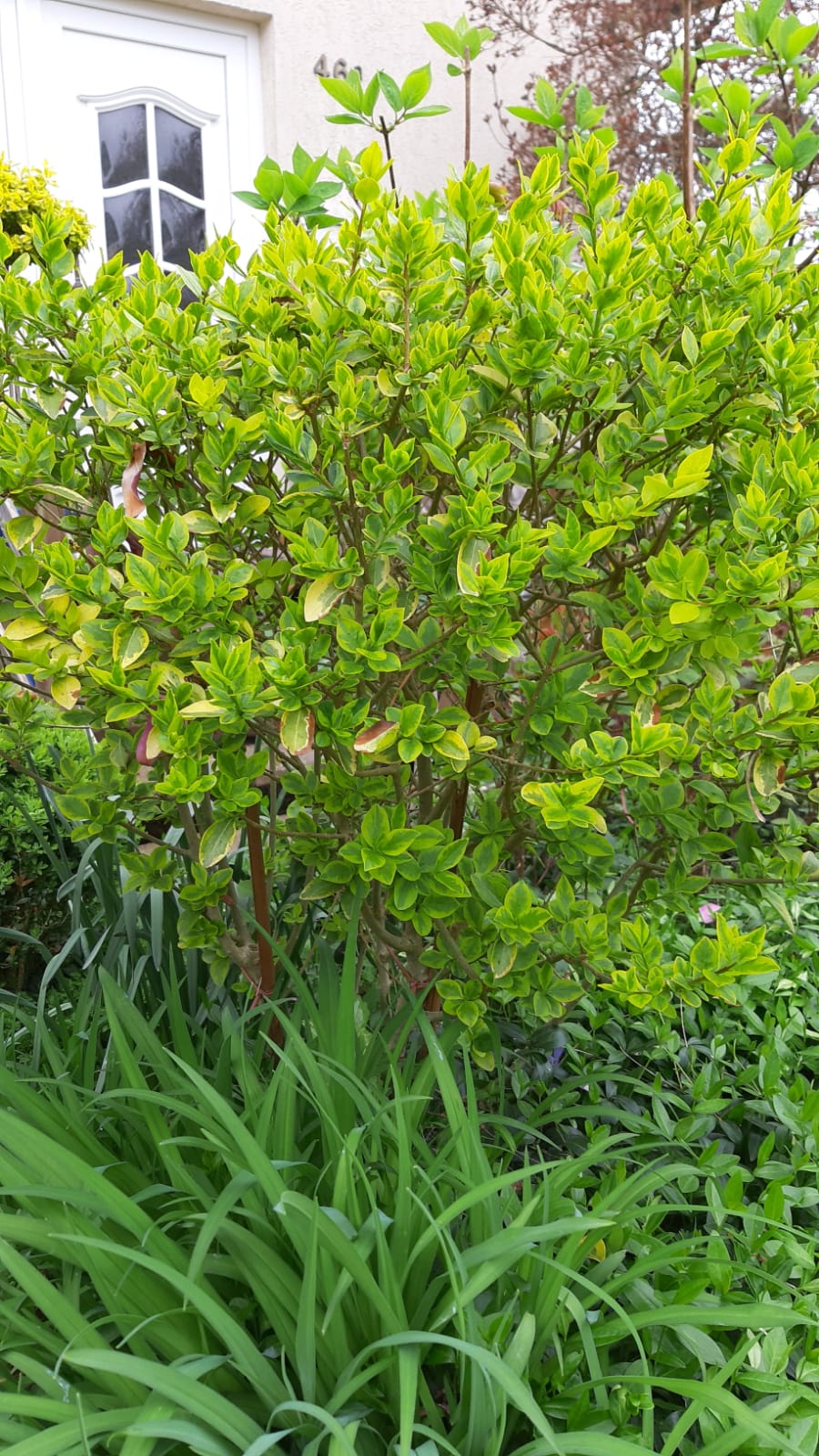
3. Privet 'Aureum' (Golden Privet)
Attracts attention with yellow-green foliage: This variant gives brightness to the garden and is suitable for those looking for a hedge with a particular chromatic effect. Golden Privet is also partly winter green.
- Special Features: Yellow-green foliage, tolerates cutting, provides structure
- Growth height: 2 meter bus
- Position: Sunny to partially shaded (sunny for strong colors!)
- Treatment: Regular pruning for dense growth
- Ecology: It is not native, but the flowers are insect-friendly. Overall, less ecologically valuable than domestic privet.
- Clothes: Images of cheerful and structured gardens, also as a color accent
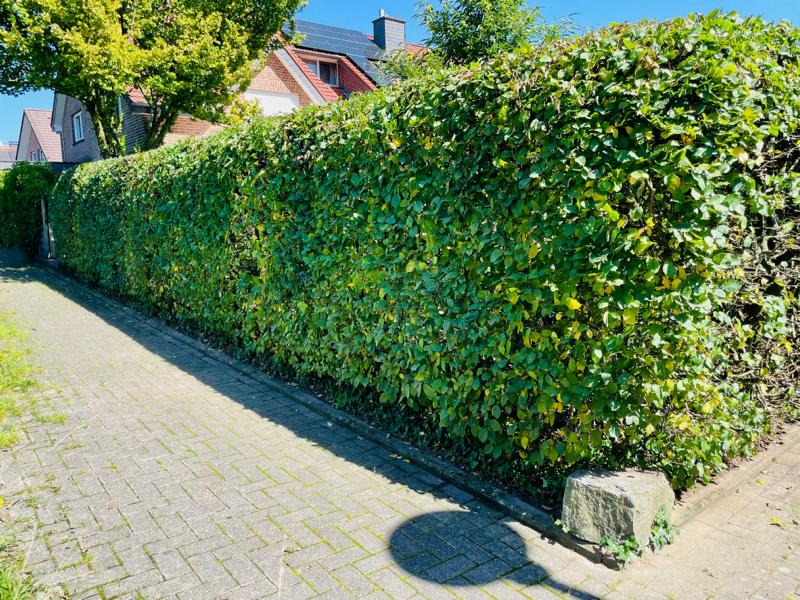
4. Hainbuche (Carpinus betulus)
Summer green, but still opaque: Hornbeam theoretically loses its leaves in winter, but often retains dry leaves until spring. This means that it remains relatively opaque even in cold weather.
- Special Features: Native, robust, tolerates cutting
- Growth height: Bus 5 m
- Position: Sun to shade, moist or dry soils
- Treatment: Very resistant to cutting, ideal for formal hedges
- ecology: native, very valuable for insects and birds
- Clothes: Natural gardens, rural gardens, structurally strong planting concepts, but often also found in modern garden concepts
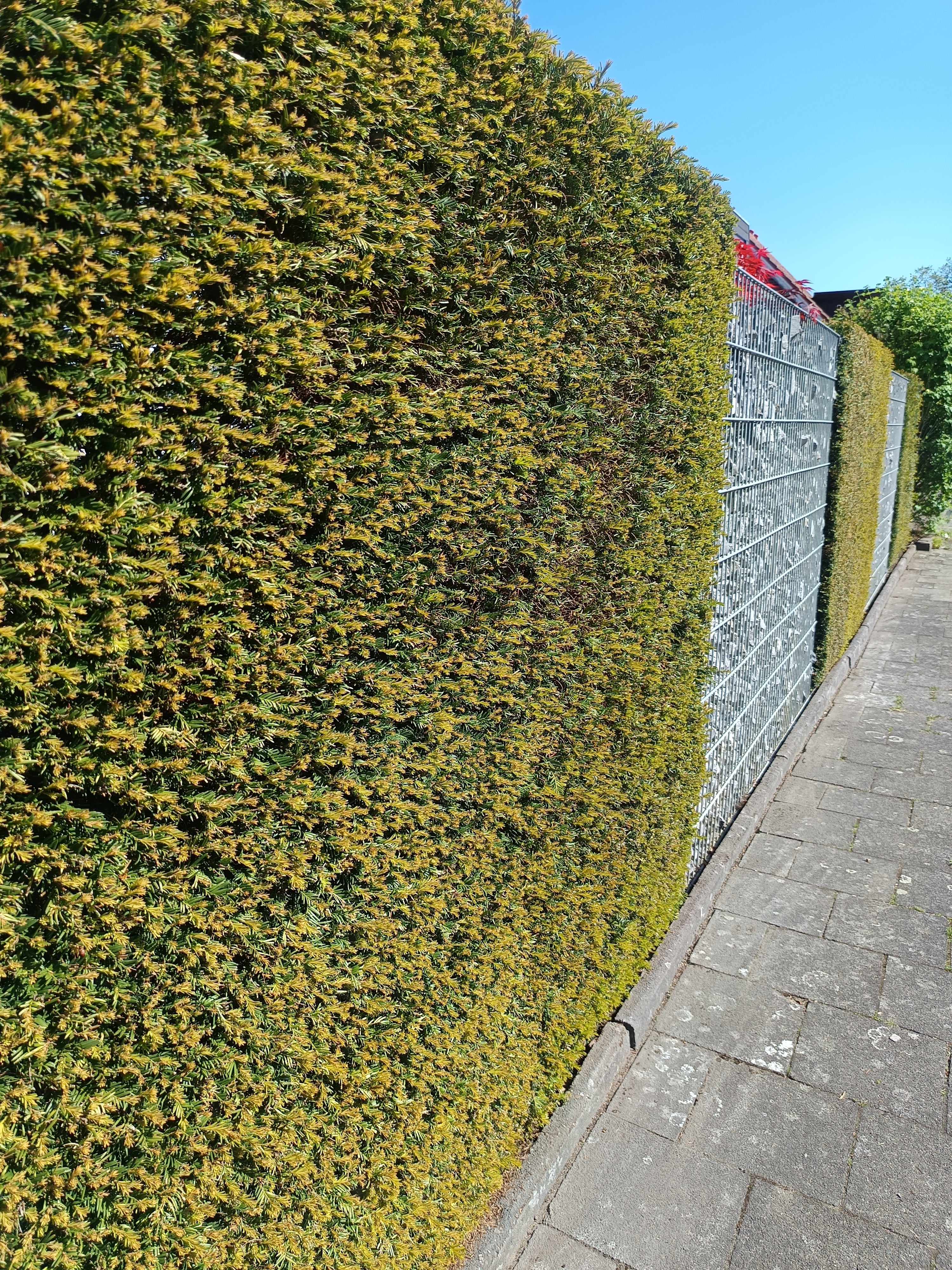
5. Eibe (Baccata Taxus)
Timelessly elegant and extremely durable: The yew tree grows slowly, but is completely compatible with pruning and remains very shapely even without pruning. She is evergreenvery durable and can become antique.
- Special Features: Evergreen, shade tolerant, very cut resistant
- Growth height: Up to 3 m or more, depending on the cut
- Position: From sun to shade, even in difficult places
- Treatment: 1-2 cuts per year are sufficient; very robust
- ecology: Native, provides shelter and breeding ground for birds
- Clothes: Formal, classic gardens, but also combined with ornamental grasses or modern elements
Danger: The yew tree is poisonous to people and animals – please use with caution around small children or animals in the garden.
6. Mixed hedge of native wild shrubs
Ecologically valuable and versatile: If you want to do something good for insects, birds and other animals, use a hedge of wild shrubs. While not evergreen, it is extremely vibrant and easy to care for.
- Typical species: Dog rose, dogwood, hawthorn, elderberry, hazelnut
- Growth height: It is after Art 2–5 m
- Position: Sunny to partially shaded, prefers nutrient-rich soil
- Treatment: Dilute once a year, do not cut with hedge trimmers
- ecology: Very tall – flowers for insects, berries for birds, shelter for small animals
- Clothes: Natural gardens, rural gardens, ecologically oriented properties
Here you will find detailed advice on mixed hedges and wild shrub hedges: Planning the perfect hedge
7. Leyland Cypress (x Cuprocyparis leylandii) – restricted
Fast and evergreen, but requiring a lot of maintenance: If you quickly want a tall, evergreen hedge, often choose Leyland cypress. It grows very quickly, but requires regular pruning.
- Special Features: Evergreen, very fast growing
- Growth height: Up to 5 meters or more
- Position: Sunny, well-drained soil
- Treatment: Cut 2-3 times a year, otherwise it becomes uncontrollable
- Ecological benefits: Low: Almost no flowers, fruit or habitat
- Suited: Large gardens, modern or Mediterranean garden elements
A warning: Only suitable if you cut regularly. Otherwise it can become too large and dense and quickly appear unkempt.
8. Conclusion: Privacy protection with style goes beyond cherry laurel and thuja
Cherry laurel and thuja should not be the first choice. If you want a garden with a lively, harmonious and easy-care appearance, you will find suitable plants among the above-mentioned alternatives – for every style and every garden situation. Whether evergreen or native, colorful or classic, privacy screens can also be environmentally sensible and visually exciting.
If you have any questions about the right hedge plant for your garden, we will be happy to advise you personally!
latest posts published
The best alternatives to cherry laurel and thuja: hedge plants for finches
Heat in the Garden – How to Protect Your Plants from Drought Stress – finch
Evergreen plants in the garden: structure and color
Which one suits your garden? — Tree Finch

Redefine your bedroom with Bernhardt luxury beds
Use climbing roses as privacy screens and green facades in the garden – chaffinch
Best Home Remedies for Your Garden: Chaffinch
Caracole – Elegance, refinement and inspiring design
This is how olives, roses, etc. they survive the finch